
How to Choose a Plumber Without Costly Surprises
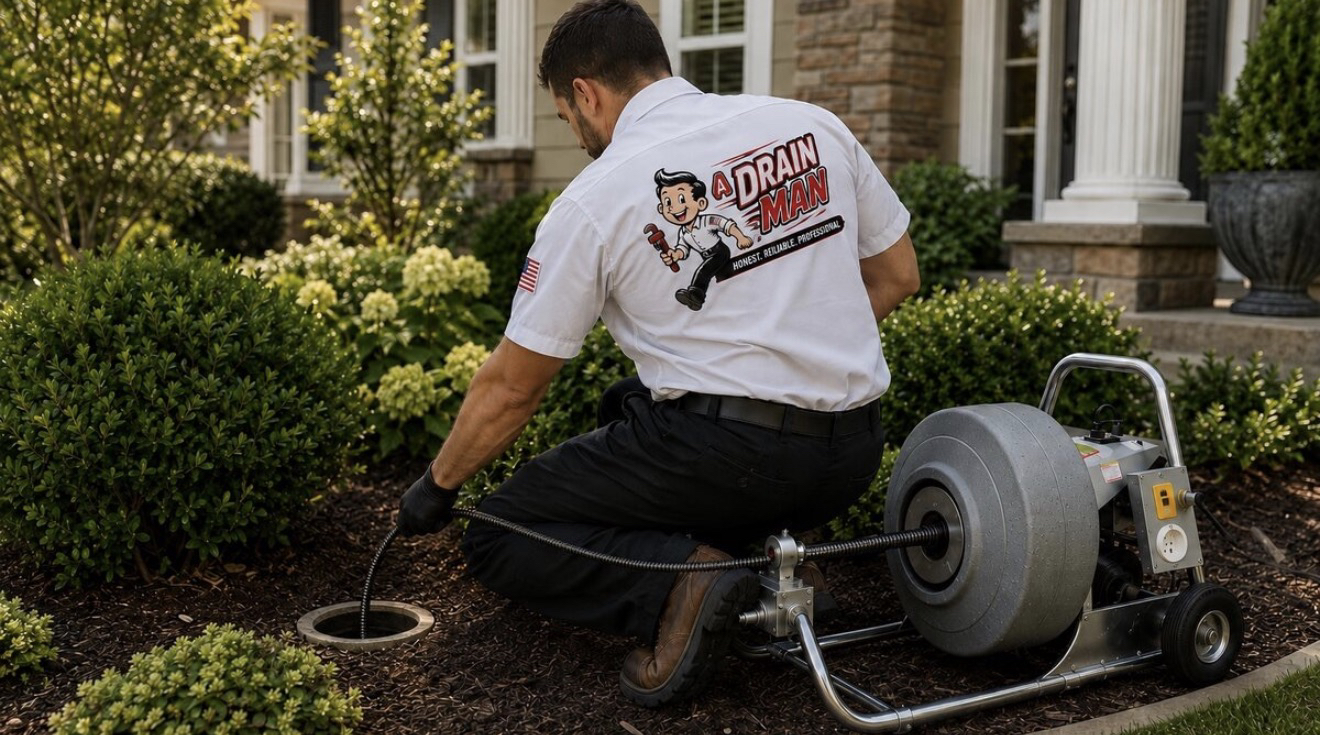
A slow drain is annoying. A leak under the sink, water heater failure, or sewage backup can put your whole day on hold. Knowing how to choose a plumber before a small issue becomes an expensive mess gives you more control when you need help quickly.
The right plumbing professional does more than stop the immediate leak. They explain what caused it, show you the available repair options, provide clear pricing, and do work that is built to last. Whether you own a home, manage rentals, run a business, or are updating an older property, a little screening upfront can prevent repeat repairs and unpleasant surprises.
Start With Licensing, Insurance, and Real Qualifications
Plumbing affects your water supply, drainage, gas connections, fixtures, and sometimes the structure of your property. That is not work to hand over to the first person who can arrive with a wrench.
Ask whether the company is properly licensed for the work being performed and carries insurance. In California, plumbing contractors commonly hold a C-36 plumbing license. A legitimate company should be comfortable discussing its qualifications and should not become evasive when you ask basic questions about licensing or coverage.
Insurance matters because accidents can happen, even on a carefully run job. If a pipe breaks unexpectedly, a worker is injured, or property is damaged during a repair, proper coverage helps protect everyone involved. Licensing and insurance are not the whole story, but they are a sensible first filter.
Also ask who will perform the work. Some companies send experienced, trained technicians; others may subcontract jobs without making that clear. There is nothing automatically wrong with a subcontractor, but you deserve to know who is entering your property and who stands behind the finished repair.
Choose a Plumber With Experience in Your Specific Problem
Not every plumber handles every type of job with the same depth of experience. A company that is excellent at clearing a kitchen drain may not be the best fit for a whole-home repipe, a commercial restroom issue, or a detailed renovation involving new water and drain lines.
Describe the problem as clearly as you can when you call. Mention how long it has been happening, whether it affects more than one fixture, and what you have already noticed. For example, a toilet that bubbles when the washing machine drains points to a different kind of issue than a single slow bathroom sink.
For larger work, ask whether the company regularly handles projects like yours. This is especially useful for water heater replacement, sewer-line repair, slab leaks, remodels, and new construction. If you own an older or historic home, look for a plumbing team that understands aging pipes and can update failing systems without treating your property like a generic job site.
Experience should lead to better diagnosis, not just a longer sales pitch. A capable plumber can explain why they recommend a repair and whether there are practical alternatives.
Look for Clear Communication Before Work Begins
Good plumbing service should not feel like a guessing game. Before approving a repair, you should understand the scope of work, the expected cost, and what could change once the plumber opens a wall, accesses a line, or inspects a buried pipe.
A clear estimate does not always mean a single fixed price. Some problems cannot be fully diagnosed until the plumber reaches the affected area. What matters is that the company explains that possibility upfront. You should know the service or diagnostic charge, what the estimate includes, and whether permits, parts, cleanup, or additional repairs could add to the total.
Be cautious when someone quotes a very low price without asking questions or inspecting the issue. An unusually cheap offer can turn into a higher bill after work is underway, or it may leave out important steps needed for a lasting repair. The lowest estimate is not automatically the best value if it only handles the symptom.
A trustworthy plumber welcomes reasonable questions. Ask what they found, what they recommend, how long the repair should take, and whether there is a warranty on labor or parts. Straight answers are a strong sign that you are dealing with a professional who respects your home and your budget.
Check Reputation, But Read Reviews Carefully
Online reviews can help you narrow your choices, particularly when they mention the type of plumbing issue you have. Look for patterns over time rather than relying on one glowing comment or one angry complaint.
Pay attention to comments about punctuality, cleanliness, communication, pricing, and whether the repair held up. Reviews that explain what happened are generally more useful than a simple star rating. It is also worth seeing how the company responds when a customer has a concern. A respectful, solution-focused response says more than a business that ignores feedback or argues publicly.
Personal referrals are valuable too. A neighbor, family member, property manager, or local business owner may be able to tell you how a plumber handled a difficult repair, not just a simple faucet replacement. Still, confirm that the company is a fit for your own job. A great emergency drain technician may not be the right choice for a major renovation, and vice versa.
Ask About Availability When Timing Matters
Plumbing emergencies do not wait for business hours. A burst pipe, overflowing toilet, sewage backup, or loss of hot water may require attention right away. If you are comparing plumbers before an emergency happens, find out whether they offer true 24/7 emergency service and what after-hours service involves.
For an active leak, turn off the nearest fixture valve if it is safe to do so. If you cannot stop the water there, use the home's main shutoff valve. Move valuables away from the area, avoid standing water near electrical outlets, and call for help. Taking those basic steps can limit damage while a plumber is on the way.
For business owners and facilities managers, availability is even more than convenience. A blocked restroom or drainage failure can disrupt employees, customers, and daily operations. Choose a plumbing partner that can communicate clearly, respond promptly, and plan repairs around your operational needs when possible.
Compare Value, Not Just the Initial Price
It makes sense to compare estimates for nonemergency work. For a major repair or installation, getting more than one opinion can help you understand the project and spot meaningful differences in recommended materials, methods, and scope.
Compare what each estimate actually covers. One proposal may include replacing a damaged section of pipe, testing the system, patching access points, and hauling away debris. Another may only cover the visible repair. Neither is automatically wrong, but they are not equal prices if they are not equal jobs.
Ask about the parts being installed as well. The best option depends on the situation. A homeowner preparing to sell may have different priorities than a family planning to stay for 20 years. A commercial property may need fixtures selected for durability and serviceability rather than appearance alone. A good plumber explains those trade-offs without pushing you into work you do not need.
Watch for Red Flags
Most plumbers work hard to earn their customers' trust, but it is wise to recognize warning signs. Slow down if a contractor pressures you to approve expensive work immediately without explaining why, refuses to provide written details, demands full payment upfront for a large job, or will not verify licensing and insurance.
Other concerns include vague answers about who is doing the work, no clear way to contact the company after payment, or a recommendation to replace major equipment without any meaningful diagnosis. Plumbing problems can be urgent, but urgency should not be used to rush you past basic questions.
The exception is a true emergency where water is actively damaging the property or sewage is creating a health concern. Even then, a professional can explain the immediate stabilization step first, then discuss permanent repairs once the situation is under control.
Build a Relationship Before You Need an Emergency Plumber
The best time to find a plumber is often when nothing is flooding. A routine maintenance visit, small repair, or water heater check gives you a low-pressure way to evaluate communication and workmanship.
For homeowners in Redlands, Riverside, and surrounding Southern California communities, a family-owned company with established local experience can be especially reassuring. A Drain Man brings three generations of plumbing and drain expertise to residential, commercial, emergency, and renovation work, with straightforward communication from the first call through the completed repair.
Keep the contact information for a plumber you trust, and do not wait for a major failure to ask questions about your system. A reliable professional should leave you with more than a working pipe or clear drain. You should feel confident about what was fixed, why it was needed, and what to watch for next.


Comments