
Commercial Emergency Plumbing: What to Do First
A restroom backing up during the lunch rush, water spreading across a retail floor, or a burst pipe above office equipment can stop business fast. Commercial emergency plumbing is about protecting people, property, inventory, and your ability to stay open when a plumbing failure cannot wait until tomorrow.
The right response is not always the same. A slow-draining sink may allow time for a scheduled repair, while sewage coming up through a floor drain requires immediate action. Knowing the difference helps a business owner or facilities manager make a clear call under pressure and limit the damage from the start.
What Counts as a Commercial Plumbing Emergency?
A plumbing problem becomes an emergency when it creates a safety risk, threatens significant property damage, interrupts essential operations, or exposes employees and customers to unsanitary conditions. In commercial spaces, even a seemingly small issue can have a bigger impact because more people use the system, operating hours are longer, and closures can be costly.
A burst or actively leaking pipe is an obvious example. Water can travel behind walls, into ceilings, beneath flooring, and through electrical areas before it becomes visible elsewhere. A major drain backup is just as urgent, particularly when wastewater enters restrooms, kitchens, common areas, or customer-facing spaces.
Loss of water service can also be an emergency for restaurants, medical offices, salons, gyms, apartment buildings, and other properties that depend on working sinks, toilets, or sanitation equipment. The same is true for a failing commercial water heater when hot water is necessary for health requirements or daily operations.
Not every leak means you must close the doors immediately. A small drip beneath an accessible sink may be contained temporarily. But if you are unsure whether water is reaching hidden building materials or electrical components, treat it seriously and get a licensed plumber involved.
The First Steps During a Commercial Plumbing Emergency
Fast action matters, but safety comes first. Keep employees and customers away from standing water, sewage, wet ceilings, and affected equipment. If water is near outlets, panels, or powered machinery, do not enter the area or attempt electrical repairs yourself. Contact the appropriate emergency professional if there is an electrical hazard.
If you can do so safely, turn off the water supplying the affected fixture or area. Many toilets, sinks, and water heaters have local shutoff valves. For a major leak or widespread flooding, the building's main water shutoff may be necessary. Facilities managers should make sure trusted staff members know where that valve is located before an emergency happens.
For a drain or sewer backup, stop using water throughout the affected area. Running faucets, flushing toilets, operating dishwashers, or using washing equipment can add more water to an already blocked line. In a restaurant or food-service setting, pause work around contaminated areas and protect food, supplies, and clean utensils from exposure.
Take a few photos or short videos after the immediate danger is controlled. Documentation can be helpful for insurance and gives the plumber a clearer picture of what happened. Then call for emergency service and share the essentials: where the issue started, whether water or sewage is present, what fixtures are affected, and whether you have shut off the water.
Do not reach for chemical drain cleaners during a commercial backup. They often fail against serious obstructions, can damage certain piping, and create a safety concern for the technician who has to work on the line later. A temporary fix that makes the problem harder or more dangerous is no bargain.
If Sewage Is Involved, Treat It Differently
Sewage backups need extra care. Wastewater may contain bacteria and other contaminants, so the affected area should be isolated until it can be properly cleaned and assessed. Keep people out, avoid touching contaminated materials, and do not try to mop the problem into a nearby drain.
The immediate plumbing goal is to identify and clear the blockage or failure without pushing the issue farther through the system. After the line is addressed, the property may need professional cleanup and drying depending on how far the backup spread. Reopening too quickly can put employees and visitors at risk.
Why Commercial Problems Need a Commercial Response
Commercial systems are not simply larger residential systems. They may serve multiple restrooms, tenant spaces, break rooms, kitchens, laundry equipment, grease-producing operations, public areas, or specialized machinery. The volume of use and layout of the building can make locating the real cause more complicated.
For example, repeated clogs in one restroom might point to a local fixture issue. Repeated backups across several restrooms or tenant areas can indicate a main sewer line problem, root intrusion, pipe damage, buildup, or an obstruction farther down the system. Clearing the visible backup is important, but it is not the same as finding out why it happened.
This is where experience makes a difference. The best emergency repair is not one that merely gets water moving for the next few hours. It is one that restores service safely, explains the likely cause in plain language, and provides a practical recommendation for preventing a repeat issue.
Depending on the symptoms, that may mean professional drain cleaning, camera inspection, leak detection, pipe repair, fixture replacement, water heater service, or a plan to replace aging sections of pipe. The right option depends on the building, the condition of the plumbing, and the urgency of getting operations back online.
Common Emergencies That Should Not Wait
Commercial plumbing emergencies often start with warning signs that are easy to overlook. A floor drain that gurgles, toilets that flush poorly, a recurring odor near a utility room, or a water bill that suddenly climbs can all signal a developing problem. Waiting may seem reasonable when business is busy, but plumbing failures rarely choose a convenient time.
Call for prompt help when you have an active pipe leak, no water to critical areas, overflowing toilets, sewage coming through drains, multiple fixtures backing up, a suspected slab or hidden leak, or a water heater leak that is spreading. A gas smell near a water heater is also urgent. Do not try to diagnose a possible gas issue yourself - leave the area and contact the gas utility or emergency services as appropriate before plumbing work begins.
For restaurants and commercial kitchens, grease buildup and food debris can turn a slow drain into a full shutdown. For apartment and multi-tenant properties, one blocked main line can affect several occupants at once. Retail stores and offices may face costly damage when leaks reach merchandise, documents, computers, or finished ceilings. Each property has different pressure points, which is why a one-size-fits-all response does not work.
How to Reduce Future Emergency Calls
Emergency service is there when you need it, but regular maintenance gives your property a better chance of avoiding the worst disruptions. This is especially valuable for businesses with older plumbing, high water use, public restrooms, commercial kitchens, or a history of drain problems.
A maintenance plan should be based on the building's actual use. A busy restaurant may need more frequent drain and grease-management attention than a small professional office. A property with mature landscaping may need periodic checks for roots in sewer lines. Older commercial buildings may benefit from inspections that identify corroded piping, failing valves, or outdated fixtures before they fail at the wrong time.
There are also simple operational habits that help. Teach staff what should never go down sinks or toilets. Keep grease, food scraps, wipes, paper towels, and hygiene products out of drain lines. Report slow drains and unusual odors early instead of waiting for a complete blockage. Make sure shutoff valves remain accessible and clearly identified after remodels, storage changes, or tenant improvements.
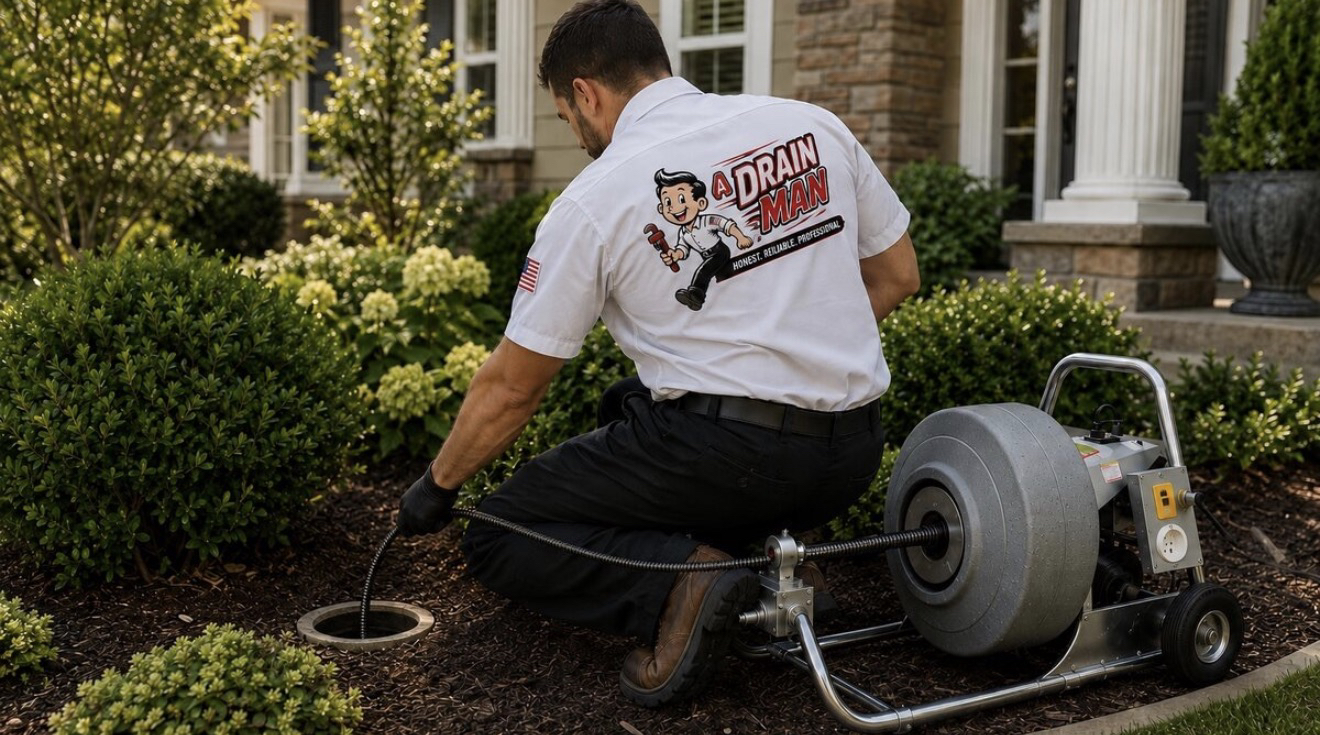
A Drain Man provides 24/7 emergency plumbing support for commercial properties, with licensed and insured service backed by three generations of experience. Just as important, you should expect a clear explanation of the problem, the recommended repair, and what it will take to get your business moving again - without the runaround.
Keep a Plumbing Emergency From Becoming a Business Crisis
No business can plan for every pipe break or sewer backup, but every business can prepare for the first few minutes. Keep emergency contact information available, identify your water shutoffs, give staff clear instructions, and address warning signs before they turn into a closure.
When an emergency does happen, act quickly, protect the people in your building, stop the water if it is safe, and bring in qualified help. A calm, practical response can make the difference between a manageable repair and a much longer interruption to your business.


Comments