
8 Signs of Sewer Line Backup You Shouldn't Ignore
A sewer problem rarely starts with a dramatic flood. More often, the early signs of sewer line backup show up in places you might dismiss at first: a toilet that gurgles after the shower runs, a slow tub drain, or an unpleasant odor near a floor drain. Catching those warnings early can help protect your home, your belongings, and your budget from a much bigger mess.
Unlike a clog in one sink or shower, a sewer line backup affects the main pipe that carries wastewater away from your property. That means several fixtures can start acting up at once. If wastewater begins coming back through a drain, treat it as a plumbing emergency and stop using water inside the building.
8 Signs of Sewer Line Backup
1. Multiple drains are slow or clogged
One slow bathroom sink may be a small, local clog caused by soap, hair, or toothpaste. But when the kitchen sink, bathtub, shower, and toilets all drain slowly around the same time, the problem may be farther down the line.
Your main sewer line is the shared exit route for nearly every drain in the house. A partial blockage there restricts flow, so water may drain slowly throughout the property before it stops moving altogether.
2. Toilets gurgle, bubble, or change water level
A toilet that bubbles when you run the washing machine or drain the bathtub is sending a clear message: air is being forced back through the plumbing system. That often happens when wastewater cannot pass through the sewer line normally.
You may also notice the water in the toilet bowl rising, dropping, or rippling without anyone flushing. Do not keep flushing to test it. A toilet can overflow quickly when the main line is obstructed.
3. Water backs up into the tub or shower
This is one of the most recognizable signs of sewer line backup. You flush a toilet and dirty water appears in the lowest shower or tub drain. Or you run the washing machine and water rises in a first-floor shower.
Wastewater follows the path of least resistance. When it cannot move out through the sewer line, it often returns through the lowest available drain. In many homes, that is a ground-level shower, bathtub, floor drain, or laundry drain.
4. You smell sewer gas indoors or outside
A persistent sewage or rotten-egg smell should never be ignored. A dry drain trap can sometimes cause a brief odor, especially in an unused bathroom or utility area. But if the smell is strong, keeps returning, or appears alongside slow drains and gurgling, a sewer issue becomes more likely.
Sewer odors may come from a backup, a cracked pipe, a failed cleanout cap, or a venting problem. The cause needs to be identified rather than masked with air freshener. Sewer gas and wastewater odors make a home unpleasant and can signal conditions that are getting worse below the surface.
5. A floor drain starts filling with dirty water
Floor drains are common in laundry rooms, garages, utility rooms, and some older homes. Because they sit low, they are often the first place a main sewer backup shows itself.
Water coming up through a floor drain is not a problem to solve with a plunger or a bottle of chemical drain cleaner. Keep people and pets away from the area, avoid contact with the water, and stop using sinks, toilets, showers, dishwashers, and washing machines until the line has been assessed.
6. The problem gets worse after laundry or heavy water use
A washing machine empties a large amount of water quickly. If a sewer line has a partial blockage, that discharge may be enough to trigger a backup while ordinary handwashing is not.
The same can happen after several showers, a dishwasher cycle, or guests using multiple bathrooms. This pattern is useful information for a plumber because it points toward limited capacity in the main drain line, not necessarily a clog in one fixture.
7. There are wet, sunken, or unusually green spots in the yard
Not every sewer line warning starts indoors. A damaged underground line can leak wastewater into the soil, leaving a wet patch in dry weather, a soft or sunken area, or a strip of grass that looks greener and grows faster than the rest of the yard.
Tree roots are a common cause of this kind of trouble. Roots naturally seek moisture and can enter aging sewer pipes through joints, cracks, or weak points. They may begin as a small intrusion but eventually catch paper, grease, and debris until the line is severely blocked.
8. Sewage appears near an exterior cleanout
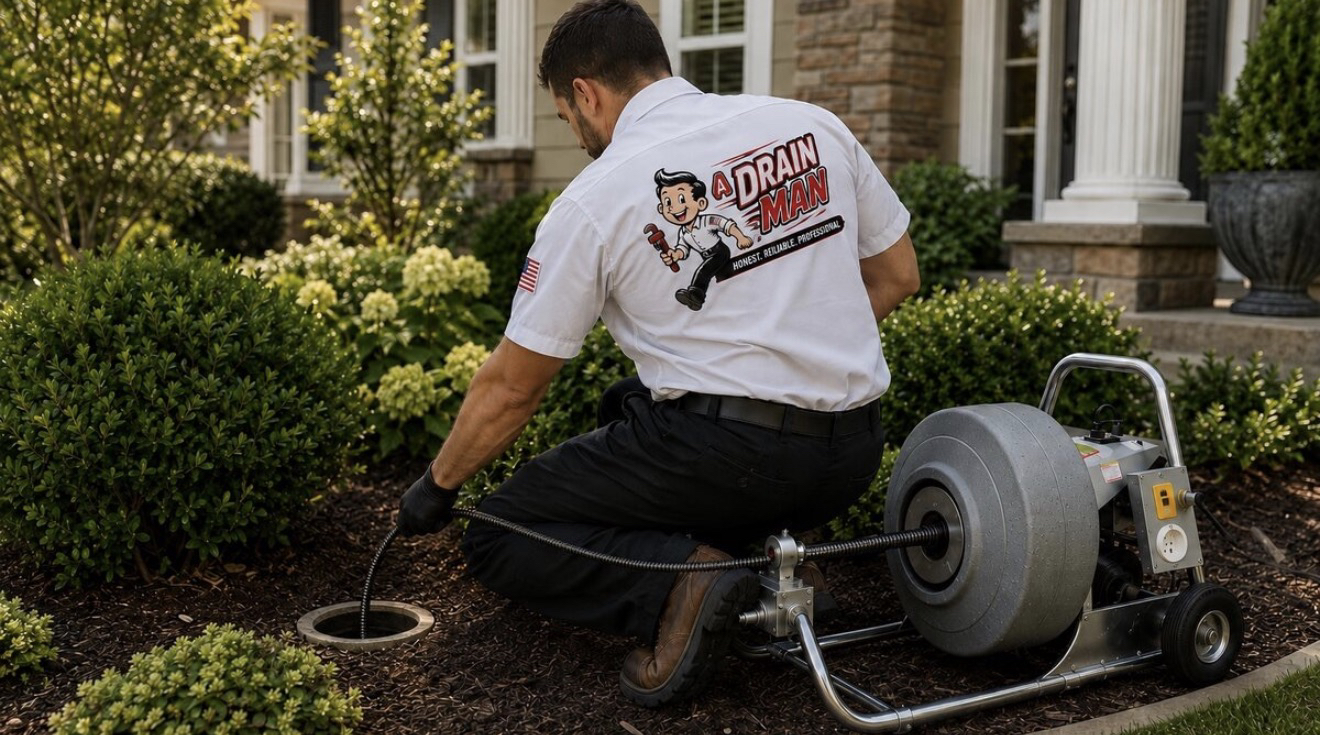
A sewer cleanout is an access point that allows a plumber to inspect and clear the main line. If you see water or sewage around the cleanout cap, or the cap has been pushed loose, pressure may be building in the line.
Do not attempt to open a pressurized cleanout yourself. If there is a backup behind it, wastewater can spill out suddenly. A licensed plumber has the equipment and protective measures to clear the line safely and determine why it backed up.
Why Sewer Lines Back Up
Sewer backups have several possible causes, and the right repair depends on what is actually happening inside and around the pipe. Grease buildup, wipes, paper products, hygiene items, and heavy debris can form a blockage over time. Even products labeled "flushable" do not always break down reliably enough for older or narrow drain systems.
Root intrusion is another frequent issue in established neighborhoods. Older properties in Redlands, Riverside, and surrounding areas may also have aging pipe materials, separated joints, pipe deterioration, bellies where a pipe has sagged, or past repairs that narrowed the line. A camera inspection can show the difference between roots that can be removed and a damaged pipe that needs repair or replacement.
There is also a difference between a private sewer lateral problem and a backup caused by the public sewer system. If nearby homes are experiencing the same issue, the city sewer may be involved. If the symptoms are limited to your property, the problem is more likely in the line running from your building to the public connection. A plumbing professional can help narrow that down.
What to Do When You Suspect a Backup
Act early, but do not make the situation worse. Stop all water use in the home or affected commercial space. That includes flushing toilets, running faucets, showering, doing laundry, and using appliances that drain water. Every gallon sent into the system can add to the backup.
Keep children and pets away from any standing wastewater. Sewage can contain bacteria and other contaminants, so avoid touching it without proper protective equipment. If wastewater has entered finished areas, do not start cleanup until the source is stopped. Porous materials such as carpet, drywall, and insulation may need professional evaluation depending on the extent of contamination.
Skip chemical drain cleaners. They rarely clear a main sewer blockage, can damage certain pipes, and create a hazard for anyone working on the line later. A plunger may help a minor toilet clog, but it will not resolve a blockage in the main sewer line.
How a Plumber Finds the Real Problem
A proper diagnosis starts with the symptoms, the age of the property, and where water is backing up. From there, a plumber may access the sewer cleanout and use professional drain-cleaning equipment to restore flow. A sewer camera inspection is often the best next step because it shows the condition of the line from the inside.
This approach matters. Clearing roots or buildup may restore service, but a camera can reveal whether the pipe is cracked, offset, collapsed, or holding standing water because of a sag. For a recurring issue, simply clearing the line without inspecting it can lead to repeat backups and unnecessary frustration.
For a healthy line with buildup or roots, professional cleaning and a maintenance plan may be enough. For a failing line, repair or replacement may be the more dependable long-term choice. The best option depends on pipe condition, access, landscape concerns, and how often the problem returns.
Don’t Wait for Wastewater on the Floor
The earliest sewer line symptoms can be easy to explain away, especially when they come and go. But repeated gurgling, multiple slow drains, and water appearing where it should not are worth a prompt call. A Drain Man provides straightforward sewer and drain service for homeowners and businesses that need the problem identified and handled without the runaround.
If you notice these warnings, stop using water and get experienced help before a partial blockage becomes a cleanup job.


Comments