When Hydro Jetting for Stubborn Clogs Helps
A drain that keeps backing up after it has been snaked is not just being difficult. It is often telling you that material is still coating the inside of the pipe. Hydro jetting for stubborn clogs uses pressurized water to clear that buildup from the pipe walls, not simply punch a small opening through it. For the right plumbing system, it can be the difference between a short-lived drain cleaning and a cleaner, more reliable line.
That does not mean every slow drain needs hydro jetting. A professional should first determine what is in the line, where the blockage sits, and whether the pipe itself is in condition to handle the service. That careful approach matters in Riverside homes with aging plumbing, commercial kitchens dealing with grease, and properties where recurring clogs are disrupting everyday life.
What Hydro Jetting Does Differently
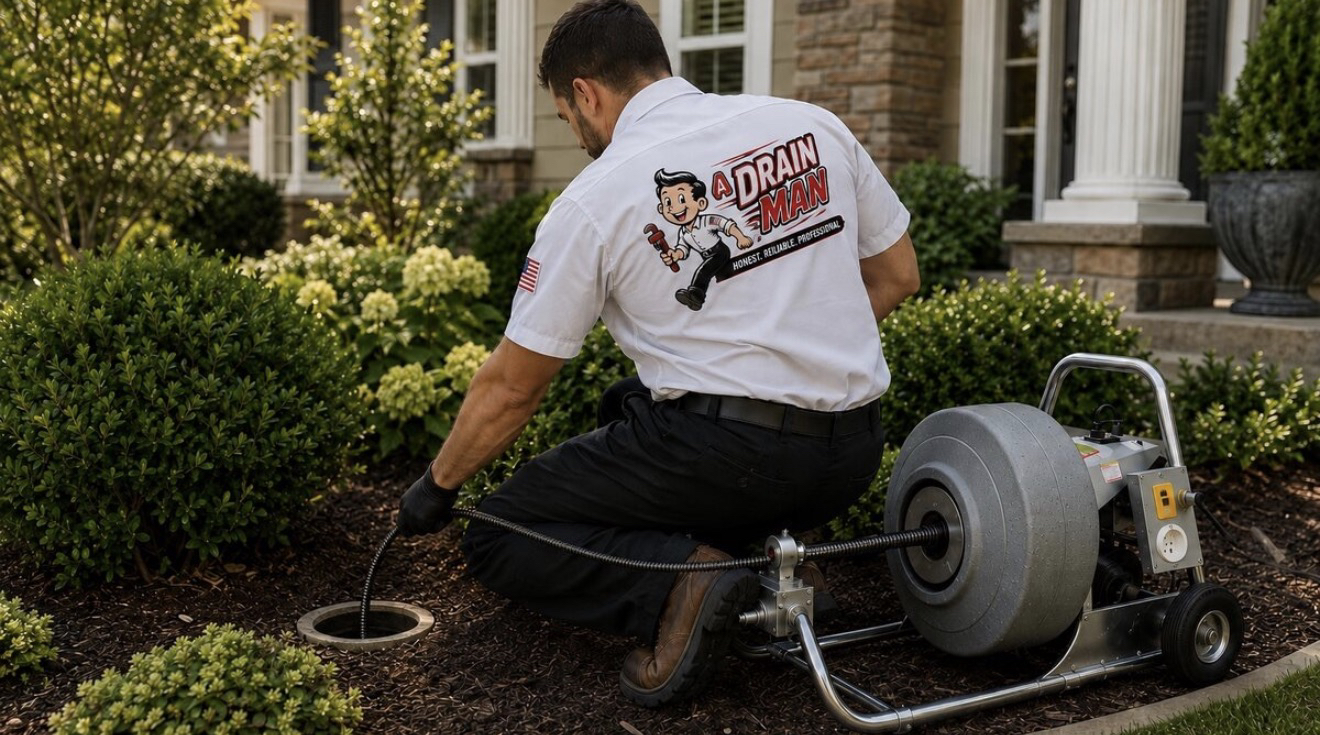
A standard drain snake, also called a cable machine, is often an excellent tool for a localized clog. Its cutting head or cable breaks through obstructions such as hair, paper, or a compacted blockage. Water can start flowing again quickly, which is exactly what many drains need.
The limitation is that a cable can leave residue behind. Grease, soap scum, sludge, scale, and food waste may remain on the pipe walls. As more debris catches on that residue, the drain can slow down again. This is especially common in kitchen lines, main sewer lines, and drains that have a long history of repeat service calls.
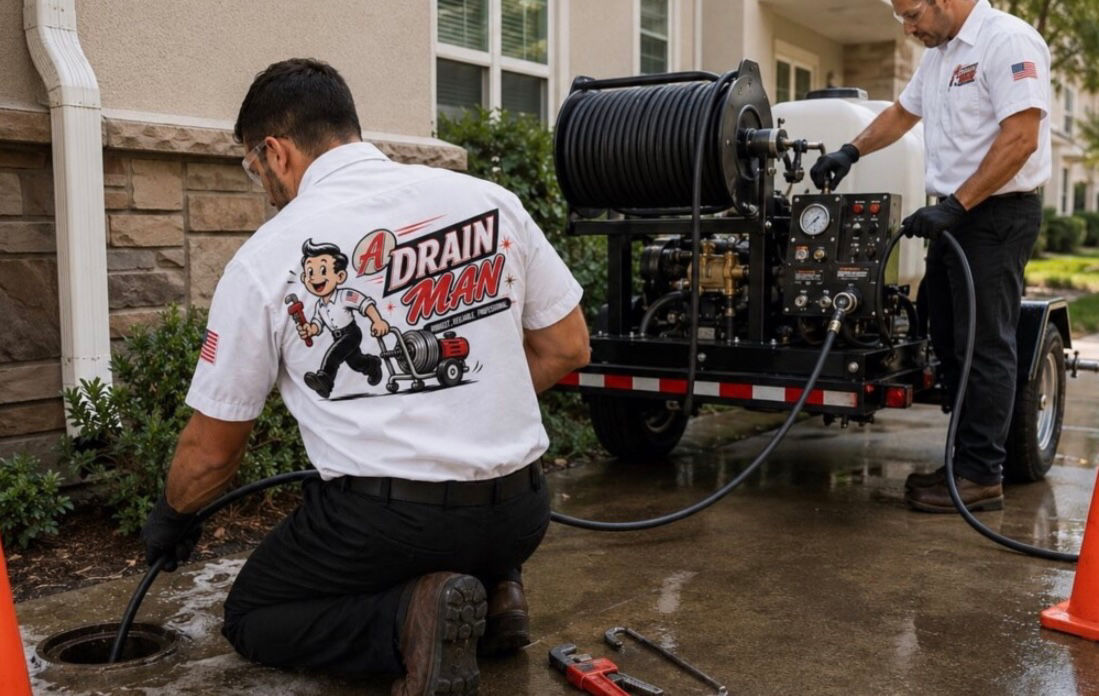
Hydro jetting sends a specialized hose into the line and directs controlled, high-pressure water through rear-facing and forward-facing nozzles. The water breaks apart the blockage while flushing loosened debris toward the sewer connection. Rather than drilling a narrow path through buildup, the goal is to wash the line much more thoroughly.
It is a powerful service, but power is not the whole story. Correct nozzle selection, water pressure, hose control, and an understanding of the piping system all affect the outcome. This is professional equipment and professional judgment territory, not a job for a rental machine or a do-it-yourself experiment.
When Hydro Jetting for Stubborn Clogs Makes Sense
Hydro jetting is usually considered when a drain problem keeps returning or when the clog is caused by widespread buildup rather than one object caught near a fixture. If several drains are slow, a toilet gurgles when the washing machine drains, or water backs up at a floor drain, the trouble may be farther down the line than a simple sink clog.
Kitchen drains are one of the most common examples. Even homes that are careful about what goes down the disposal can develop grease buildup over time. Restaurants, break rooms, and other commercial spaces can see it much faster. Hot water may soften grease temporarily, but it does not remove heavy deposits that have settled and hardened along the pipe.
Hydro jetting can also help with mineral scale and sludge in older drain lines. In some cases, tree roots have entered a sewer line through joints or cracks. Jetting may clear fine root growth and debris, restoring flow while a plumber evaluates whether the pipe needs repair. If roots are extensive or the pipe has failed, however, cleaning alone will not solve the underlying issue.
A few signs that warrant a closer look include recurring backups after prior drain cleaning, multiple fixtures draining slowly at once, unpleasant sewer odors, frequent toilet bubbles or gurgles, and water appearing at a shower or floor drain when another fixture is used. None of these symptoms automatically mean hydro jetting is required, but they are good reasons to stop relying on liquid drain cleaners and get the line assessed.
Why a Camera Inspection Comes First
Before sending high-pressure water through a drain, a responsible plumber needs to know what kind of pipe is there and what condition it is in. A sewer camera inspection provides that view. It can reveal heavy buildup, root intrusion, a shifted joint, a sagging section of pipe, corrosion, or a cracked line.
This step is particularly valuable for older homes and historical properties. Some older sewer lines may be made from cast iron, clay, Orangeburg, or other materials that have changed condition over decades. Hydro jetting may still be appropriate in certain situations, but the pressure and method must fit the pipe. A line that is severely deteriorated may need repair or replacement instead of aggressive cleaning.
Camera work also keeps the conversation honest. You can see whether the issue is a cleanable obstruction or a structural problem that will continue causing backups. That means fewer guesses, clearer recommendations, and a better understanding of what you are paying to fix.
What to Expect During the Service
The process begins with locating the best access point, often a cleanout near the home or building. After inspecting the line, the technician feeds the jetting hose through the pipe in a controlled manner. The water pressure is adjusted for the line and the type of blockage being addressed.
As the nozzle moves through the pipe, it scours buildup and pulls debris back toward the access point. Depending on the condition of the line, the technician may make more than one pass. A follow-up camera inspection may be used to confirm the blockage has been cleared and to check for pipe damage that was hidden behind debris.
Most customers are understandably concerned about mess. When the work is set up correctly, hydro jetting is a contained drain-cleaning process. Your plumber should explain where access is needed, what areas may need to be cleared, and what the inspection found before proceeding. At A Drain Man, that kind of plainspoken communication is part of treating a plumbing problem like it is happening in a neighbor's home, not just another stop on the schedule.
Hydro Jetting Is Not Always the First Answer
There is no prize for using the biggest tool on every clog. A sink trap packed with hair, a toy lodged in a toilet, or a small blockage near a fixture may be resolved faster and more affordably with a cable machine or direct removal. The right service depends on the cause.
Likewise, hydro jetting cannot repair broken pipe. If a camera shows a collapsed section, severe corrosion, major root damage, or a misaligned pipe, cleaning may offer temporary relief at best. The permanent answer could be spot repair, pipe lining where appropriate, or replacement. A good plumber explains that distinction before work starts, even when the repair conversation is not the one anyone hoped to have.
Be cautious with chemical drain cleaners as a substitute for professional cleaning. They often fail to reach the full blockage, can leave harsh chemicals standing in the pipe, and may create a safety issue for anyone who later works on the drain. Repeated use can also be hard on certain plumbing materials. If a drain is slow more than once, the better question is why it is clogging.
Keeping a Clean Line From Clogging Again
After hydro jetting, everyday habits still matter. Keep cooking grease, coffee grounds, and food scraps out of kitchen drains. Use strainers where hair is a problem, and avoid flushing wipes, paper towels, cotton products, or anything labeled flushable but not meant for sewer systems. Those items do not break down like toilet paper and can create difficult blockages farther down the line.
For commercial properties, routine maintenance can be much easier on the budget than an emergency closure or sewage backup. Restaurants, multi-unit buildings, offices, and retail spaces with frequent drain use may benefit from scheduled inspections and drain cleaning based on their actual use patterns. The goal is not to sell unnecessary service. It is to prevent the kind of buildup that turns a busy day into a plumbing emergency.
If your drain has become a repeat problem, do not settle for another temporary opening in the pipe. A camera inspection and the right cleaning method can show what is really going on, protect your plumbing, and give your household or business a clearer path back to normal.


Comments