
Slab Leak Detection Riverside CA Homeowners Need
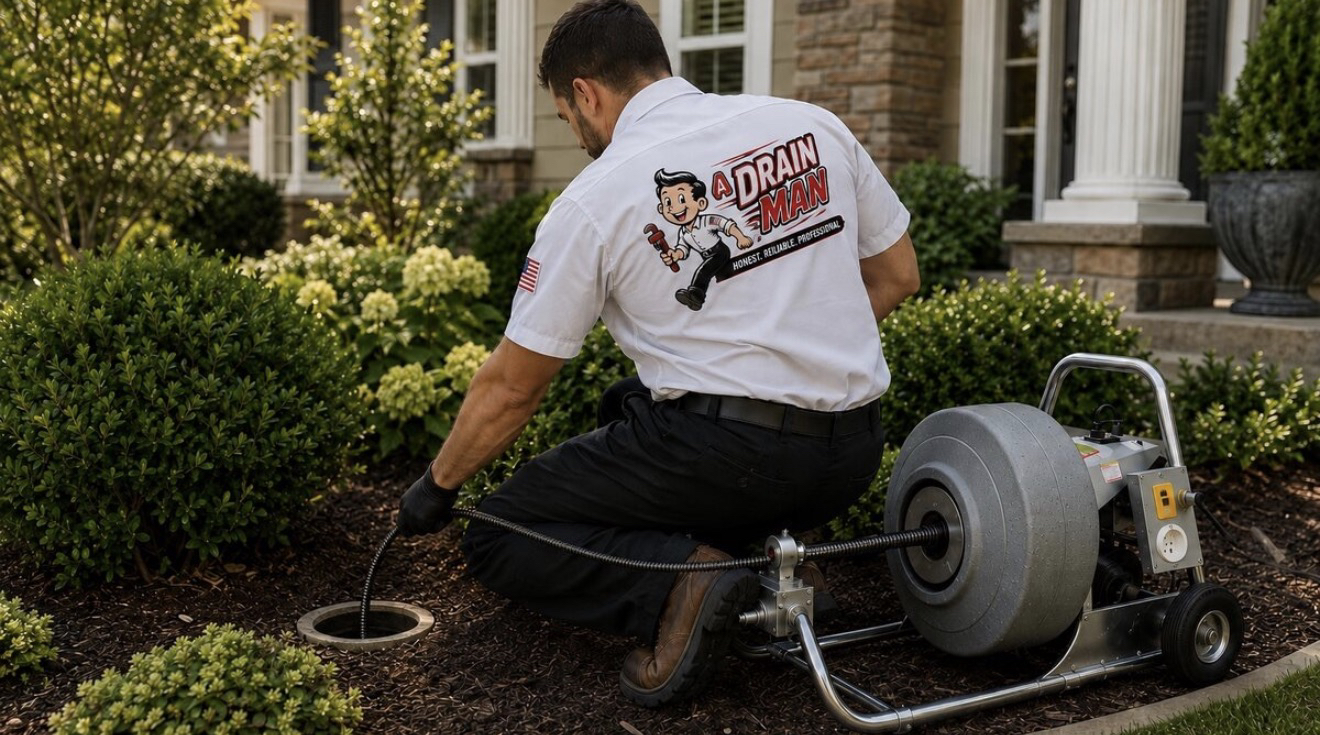
A warm spot on a tile floor, the quiet sound of water when every faucet is off, or a water bill that suddenly makes no sense can point to a leak beneath your home. Slab leak detection Riverside CA homeowners can rely on starts with taking those clues seriously before a small hidden leak turns into damaged flooring, foundation concerns, or mold growth.
A slab leak is a water-line leak under the concrete foundation of a home or building. Because the pipe is out of sight, the problem can keep moving water into the soil or up through the slab for days or weeks before anyone sees a puddle. The good news is that a trained plumber can locate the likely source without treating your floor like a demolition project.
Signs You May Need Slab Leak Detection in Riverside CA
The first sign is often higher-than-normal water usage. If your household routines have stayed about the same but your bill has climbed, water may be escaping somewhere in the plumbing system. A meter check can help narrow it down: turn off water-using fixtures and appliances, then see whether the water meter continues to move. A moving meter suggests a leak, though it does not by itself prove the leak is under the slab.
You may also hear a faint hissing, rushing, or dripping sound beneath the floor. This is especially noticeable late at night, when the house is quiet. Hot-water slab leaks can create a warm area on a concrete, tile, or vinyl floor. In some cases, homeowners notice damp carpet, warped flooring, loose tiles, or a musty odor near a wall or room edge.
Other warning signs include low water pressure, unexplained cracks in flooring, and moisture around the base of cabinets or interior walls. None of these signs should be ignored, but they can have more than one cause. A cracked tile, for example, may come from normal settling rather than a pipe leak. That is why proper testing matters before deciding on a repair.
Older Riverside homes deserve particular attention. Aging galvanized pipes, older copper lines, prior remodeling work, and shifting soil conditions can all affect underground plumbing. Homes with additions or historical features may have plumbing routes that are less straightforward than expected, making experienced diagnosis even more valuable.
How Professional Slab Leak Detection Works
Finding a leak is not guesswork. A licensed plumber starts by asking what you have noticed, reviewing the water-use pattern, and inspecting accessible plumbing. Pressure testing may be used to confirm whether a water line is losing pressure. The plumber may also isolate hot and cold water lines to narrow the search.
From there, noninvasive tools can help identify the leak area. Electronic listening equipment can detect the sound of pressurized water moving through or escaping from a pipe. Thermal imaging may help locate temperature changes from a hot-water leak. Moisture testing can reveal where water is affecting flooring, walls, or nearby materials.
The goal is not always to identify one exact square inch before work begins. In some situations, plumbing layout, access, and the condition of the line influence the best repair strategy. Still, accurate detection reduces unnecessary concrete removal and gives you a clearer explanation of what is happening beneath your home.
A good plumbing visit should leave you with more than a diagnosis. You should understand the likely source of the leak, the recommended repair, what disruption to expect, and what factors could affect the final scope. Honest answers matter when the pipes are hidden and the repair feels unfamiliar.
Repair Options Depend on the Pipe and the Property
There is no one-size-fits-all slab leak repair. The right solution depends on the location of the leak, the pipe material, the number of previous leaks, and how accessible the plumbing is. For one isolated leak in an otherwise sound system, a direct spot repair may make sense. This involves opening the slab in a targeted area, repairing the damaged pipe, then restoring the concrete and flooring as needed.
If the damaged section is difficult to access, rerouting the line may be a better option. A plumber can install a new water line through walls, ceilings, or other accessible paths, leaving the failed section out of service. This approach may limit slab work, although it can require drywall access and careful planning around the home layout.
When multiple leaks have occurred or the pipe system is near the end of its useful life, repiping may offer better long-term value than repeated repairs. It is a bigger project up front, but it can reduce the risk of another leak appearing in a different weak section a few months later. The best choice depends on your specific plumbing, not a quick sales pitch.
For rental properties and commercial buildings, timing also affects the decision. A repair that minimizes downtime may be worth more than the lowest initial price. Property owners need to consider tenants, business hours, finished surfaces, and the cost of interruption along with the plumbing repair itself.
What to Do When You Suspect a Slab Leak
If you believe water is leaking beneath the slab, avoid waiting for obvious damage. Start by documenting what you see and hear, including water-meter readings and changes to your bill. If water is surfacing, spreading into finished areas, or causing a major pressure drop, shut off the main water supply if it is safe to do so and call for emergency plumbing help.
Do not start tearing out flooring to search for the problem yourself. That can create avoidable damage and still fail to find the actual leak. It is also wise to avoid repeatedly running hot water if you suspect a hot-water line leak, since that can keep feeding the issue.
Call a licensed, insured plumbing professional who can test the system and explain the findings in plain language. Ask whether the leak is confirmed, what detection methods were used, whether other areas of the system show concerns, and what repair paths are available. Clear communication is part of the service, not an extra.
Why Fast Action Protects Your Home
Water beneath a slab does not always create an immediate emergency, but it rarely improves on its own. Ongoing moisture can damage flooring adhesives, wood materials, carpet padding, and drywall. It can also create conditions that support mildew or mold growth. Over time, water can erode soil beneath parts of the foundation, although the degree of risk varies by the amount of leakage, soil conditions, and how long the problem has been active.
Fast detection helps you make decisions while you still have options. A small leak caught early may require less restoration than one that has spread moisture through several rooms. It can also prevent the frustrating cycle of paying for unusually high water use while the source stays hidden.
At A Drain Man, three generations of plumbing experience help Riverside homeowners and property owners get straightforward answers when a hidden leak is suspected. The focus is on locating the problem carefully, discussing practical repair options, and helping you move forward without unnecessary runaround.
If your floors feel warm, your meter will not stop moving, or you hear water where there should be silence, trust that instinct. A timely inspection can turn an uncertain plumbing problem into a clear next step and help protect the home or property you work hard to maintain.


Comments