Why Drains Gurgle and What the Sound Means
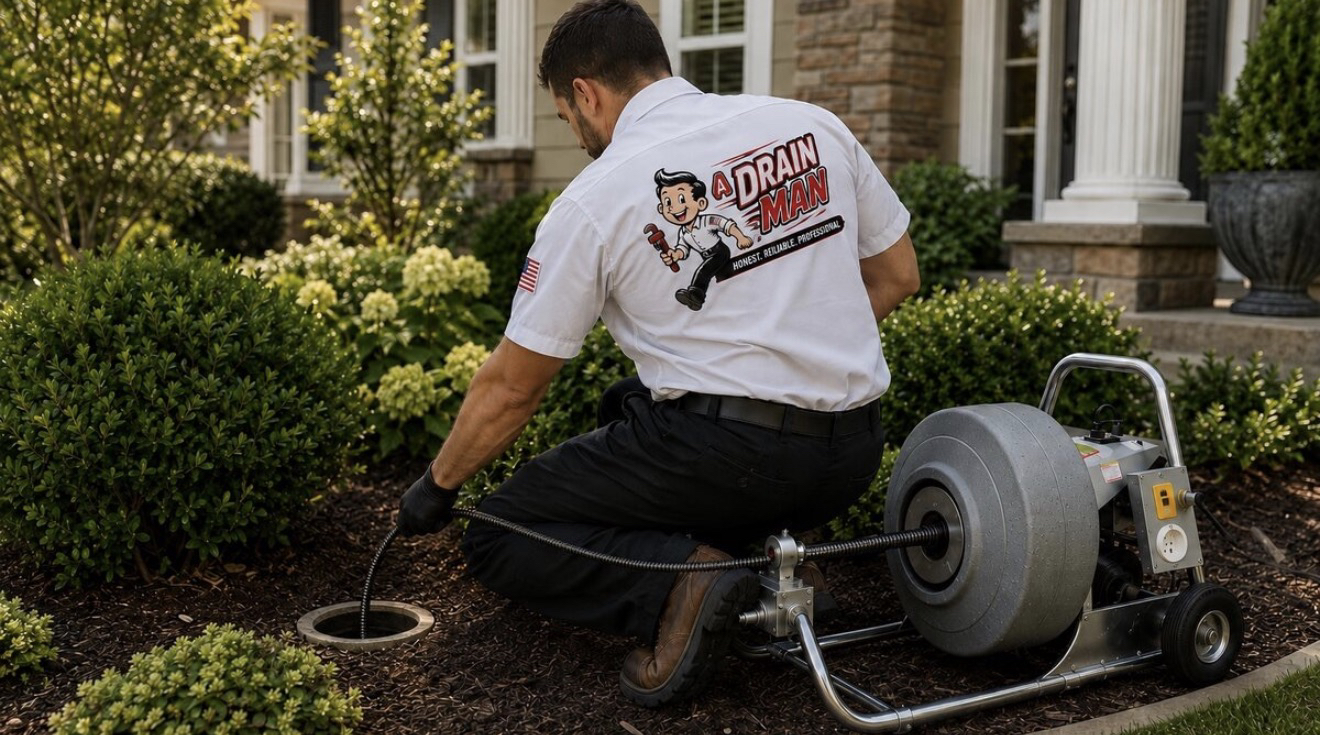
A sink that talks back after you empty it is not just being annoying. If you are wondering why drains gurgle, the sound usually means air is having trouble moving through your plumbing system. Sometimes the cause is a small buildup near one fixture. Other times, it is an early warning that a larger drain or sewer line needs attention.
The good news is that gurgling does not automatically mean a plumbing emergency. The key is noticing when it happens, which fixtures are involved, and whether water is draining normally. Those details help separate a simple clog from a problem that deserves professional drain cleaning or repair.
Why Drains Gurgle in the First Place
Your plumbing drains are designed to move both water and air. As water flows down a drain, it pushes air ahead of it and pulls air behind it. A properly working vent system lets that air move freely, which keeps drainage smooth and protects the water sitting in each fixture's P-trap.
When there is a blockage, restriction, or venting issue, air may not have a clear path. It can get pushed back through the nearest drain instead. That movement creates the familiar bubbling, glugging, or gurgling sound.
Think of pouring liquid from a bottle too quickly. It glugs because air has to fight its way back in while liquid comes out. A gurgling household drain is working through a similar pressure problem, although the source may be farther down the pipe than you expect.
The Most Common Causes of a Gurgling Drain
A Partial Clog Near One Fixture
If only one sink, shower, or tub gurgles, a partial clog is often the likely culprit. Bathroom drains commonly collect hair, soap residue, toothpaste, and grooming products. Kitchen sinks can develop greasy buildup, food debris, and residue from items that do not belong in the disposal.
Water may still drain, but it moves around the buildup unevenly. As it does, air pockets form and escape with a gurgle. The problem tends to get worse over time, especially if the fixture begins draining slowly or develops an odor.
A Clog in a Shared Branch Drain
When a toilet causes the nearby tub to gurgle, or running the washing machine makes a utility sink bubble, the restriction may be in a drain line shared by those fixtures. Water from one appliance or fixture is displacing air through another opening because the line cannot carry flow as intended.
This is more than a surface-level clog in one drain. A plunger might help in some cases, but repeated gurgling across connected fixtures generally calls for a closer look at the branch line.
A Main Sewer Line Restriction
Multiple gurgling drains are a stronger warning sign. If toilets, tubs, showers, and sinks in different parts of the building react when water is used, the problem could be in the main sewer line.
For homes in Southern California, common causes include invasive tree roots, aging or damaged pipe, heavy buildup, and foreign material caught in the line. Older homes may have original drain components that have shifted, corroded, or narrowed over decades of use. A main line restriction can turn into a sewage backup if it is ignored.
Commercial properties can see similar trouble from grease, high restroom use, food-service waste, or a drain system that has not kept up with changes to the building. In either setting, identifying the exact location of the blockage matters more than repeatedly treating the symptoms.
A Blocked or Improperly Working Plumbing Vent
Vent pipes extend through the roof and allow your drain system to balance pressure. Leaves, nesting material, debris, or even a poorly designed vent arrangement can interfere with that airflow. When a vent is blocked, drains may gurgle even when they are not badly clogged.
Vent issues are not always obvious from inside the house. You may notice slow drainage, toilet bubbling, sewer odors, or water levels changing in a toilet bowl. Because vent work often involves roof access and proper plumbing configuration, it is usually best left to a licensed plumber.
A Dry or Siphoned P-Trap
Every sink, tub, shower, and floor drain has a curved section of pipe called a P-trap. It holds water to block sewer gases from entering the building. In a rarely used guest bathroom, garage floor drain, or vacant unit, that water can evaporate. Pressure problems can also siphon water from a trap.
A dry trap may cause an odor more than a gurgle, but the two can occur together. For a rarely used fixture, slowly pour water down the drain and see whether the smell or noise improves. If the water level will not stay in the trap, there may be a venting or drain configuration problem behind it.
What You Can Safely Try Before Calling a Plumber
Start with the simple observations. Does the gurgle happen at one fixture or throughout the property? Does it occur only when that fixture drains, or when another fixture is used? Is water draining slowly, backing up, or appearing in a tub or shower?
For a single slow sink, remove visible hair or debris from the stopper and clean the drain opening. A sink plunger can help loosen a minor clog if you block the overflow opening with a wet cloth first. In a kitchen sink, avoid forcing more water into a disposal that is jammed or not running properly.
Be careful with chemical drain cleaners. Strong chemicals can damage certain pipes, create fumes, and leave hazardous liquid in the line for whoever works on it next. They also do little for tree roots, a blocked vent, or a main sewer issue. A temporary improvement can make it tempting to wait, but recurring gurgling means the underlying restriction is still there.
Do not climb onto the roof to investigate a vent unless you have the training and equipment to do it safely. Roof work brings fall risks, and pushing debris deeper into a vent can make the situation harder to diagnose.
When Gurgling Is an Urgent Plumbing Problem
A gurgling drain becomes more urgent when wastewater is no longer staying where it belongs. Stop using water and arrange service promptly if you notice sewage coming up through a shower or tub, toilets overflowing or refusing to flush, several drains backing up at once, or a strong sewer smell inside the building.
Pay attention to a toilet that bubbles when the washing machine drains. The washer releases a large amount of water quickly, so it can expose a developing main-line blockage before a full backup occurs. The same is true when flushing one toilet makes another fixture react.
For landlords and commercial property operators, acting early protects more than the plumbing. A backup can disrupt tenants, customers, employees, flooring, and sanitation. A quick diagnosis is usually far less disruptive than cleanup after sewage has entered the space.
How a Professional Finds the Real Cause
The right repair depends on the source of the gurgle. A plumber may clear a local drain, mechanically clean a branch line, inspect the sewer line with a camera, or evaluate the venting system. Camera inspection can be especially useful for older properties because it shows whether roots, cracks, offset joints, or deteriorated pipe are creating repeat blockages.
There is a trade-off between the least expensive immediate fix and the most durable solution. Clearing a line may be enough for a one-time buildup. If roots are entering through damaged pipe joints, though, recurring cleaning may only buy time. Honest recommendations should explain what was found, what each option addresses, and what can reasonably wait.
Preventing Future Gurgling
Good drain habits make a real difference. Keep grease, coffee grounds, wipes, feminine products, paper towels, and food scraps out of drains. Use hair catchers in showers, run enough water when using a garbage disposal, and address slow drains before they become fully blocked.
If your property has mature trees, aging drain pipes, or a history of sewer trouble, periodic maintenance can prevent a surprise backup. This is especially worthwhile before a remodel adds demand to an older plumbing system or when a rental property has frequent turnover.
A gurgling drain is your plumbing system asking for attention, not a sound to live with. If the noise is recurring, affects more than one fixture, or comes with slow drainage or backups, A Drain Man can help pinpoint the cause and get water moving the way it should.


Comments