
Chemical Versus Professional Drain Cleaning
A bottle of drain cleaner can look like the fastest answer when water starts pooling around the shower drain or the kitchen sink takes forever to empty. But chemical versus professional drain cleaning is not just a question of convenience. The choice can affect your pipes, your safety, and whether the clog actually stays gone.
For a minor, one-time slow drain, a careful at-home approach may be reasonable. For recurring backups, multiple slow fixtures, sewage odors, or standing water that will not move, calling a licensed drain professional is usually the safer and more cost-effective next step. The goal is not simply to get water moving for a day. It is to find out what is blocking the line and clear it without creating a bigger plumbing repair.
How Chemical Drain Cleaners Work
Most store-bought drain openers use strong chemical reactions to break down material inside a pipe. Caustic cleaners often use substances that create heat and dissolve grease, hair, and soap residue. Acid-based products can be even more aggressive. Oxidizing products work differently but are still designed to react with organic buildup.
When a clog is close to the drain opening and made mostly of soap scum or hair, a chemical product may improve flow. That is the appeal: no tools, no appointment, and an apparent solution in one bottle.
The problem is that chemical cleaners cannot tell the difference between a soft buildup and a serious obstruction. They also cannot remove a toy, wipe, root intrusion, collapsed pipe, heavy mineral scale, or grease blockage farther down the line. In many cases, the product finds a small path through the clog, water drains temporarily, and the underlying buildup remains in place.
The Risks Are Not Always Obvious
Chemical drain cleaners can be hazardous to handle. Splashes can burn skin and eyes, while fumes can irritate the lungs. They are particularly risky when a homeowner has already tried another product, bleach, vinegar, or ammonia. Mixing cleaning chemicals can create heat, pressure, or dangerous fumes.
There is also the plumbing concern. Heat-generating products can be hard on aging metal pipes, weak joints, worn seals, and some types of plastic piping. Older homes in the Redlands and Riverside area may have plumbing systems with decades of history behind them. If the pipe is already compromised, repeated chemical use can add stress where it is least welcome.
A bottle that fails to clear the drain creates another issue for the next person working on it. A plumber may need to handle caustic liquid sitting in the trap or pipe, making even a basic service call more hazardous. Always tell a technician if you have used a chemical product and when you used it.
Chemical Versus Professional Drain Cleaning: What Changes?
The main difference is diagnosis. Chemical products treat a suspected clog from the surface. Professional drain cleaning begins by looking at the symptoms, the fixture involved, and the condition of the drain system before choosing the right method.
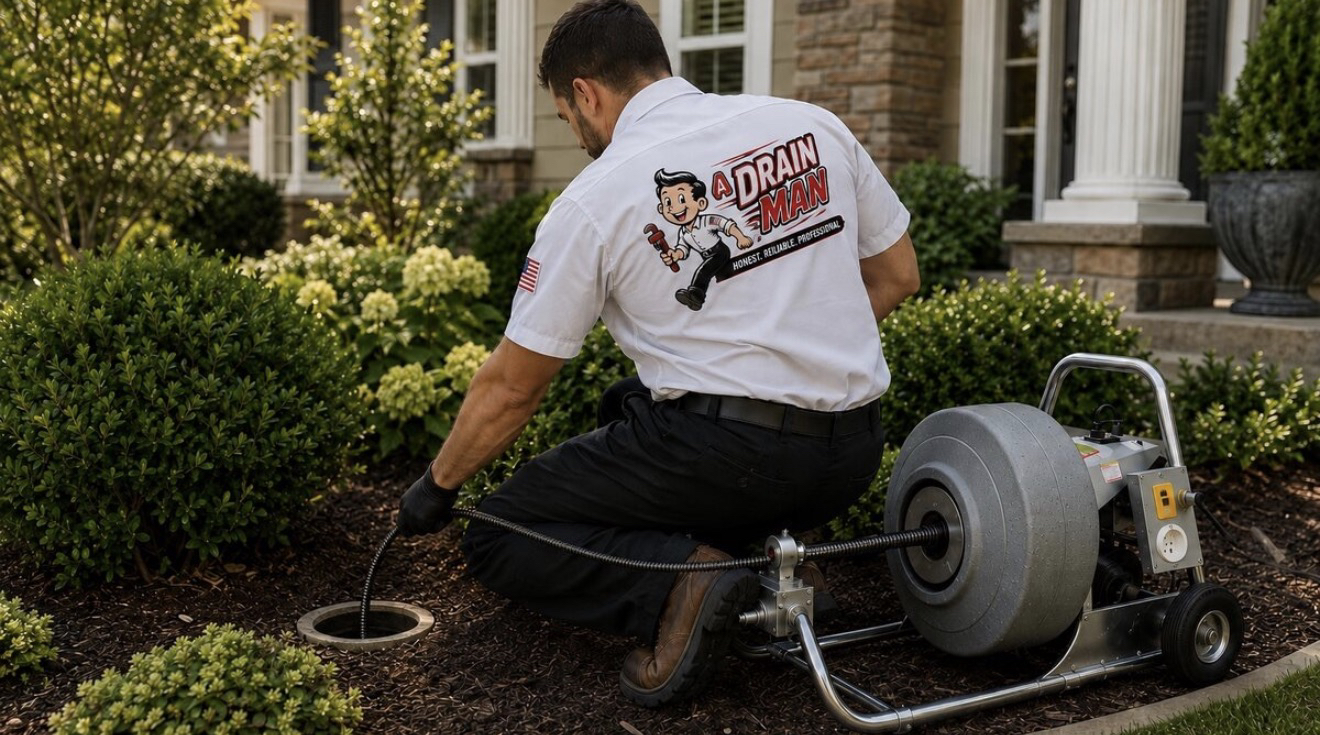
A technician may use a drain machine with the appropriate cable and cutting head to physically remove hair, soap buildup, food waste, or other material. For kitchen lines, the focus may be grease accumulation. For main sewer lines, a camera inspection can show whether the issue is roots, scale, a broken section, a belly in the pipe, or an object lodged in the line.
That matters because the wrong method can leave you with repeat clogs. A cable can be highly effective for a localized blockage, while hydro jetting may be a better fit for stubborn grease or buildup along the pipe walls. Hydro jetting uses controlled high-pressure water, so it should be performed only after the plumbing condition has been evaluated. A damaged or deteriorated pipe may need repair rather than more cleaning force.
Professional service is not automatically necessary for every slow bathroom sink. Still, it becomes the better value when the cause is uncertain or the problem keeps coming back. Clearing the full obstruction once is often less frustrating than buying product after product and dealing with another backup a few weeks later.
When an At-Home Fix Makes Sense
Before reaching for chemicals, start with the least aggressive option. A sink stopper or shower cover may be holding visible hair and debris. Removing that material, flushing with hot water where appropriate, or using a small hand snake can resolve a simple surface clog without exposing your plumbing to harsh chemicals.
For a kitchen sink, avoid pouring fats, oils, and grease down the drain. Hot water may make grease look like it has disappeared, but it can cool and collect farther along the pipe. A garbage disposal also is not a catch-all for fibrous vegetables, coffee grounds, eggshells, or large amounts of food waste.
A gentle enzyme or bacteria-based maintenance product can sometimes help reduce organic buildup over time. It is not a fast cure for a fully blocked drain, and it will not solve a mechanical problem, but it may be a reasonable maintenance option when used according to the label.
At-home efforts are best reserved for a single fixture with a mild, recent slowdown and no signs of a larger drainage issue. Stop if water begins backing up, the clog worsens, or you are tempted to pour in a second or third chemical product.
Signs You Need a Drain Professional
A recurring clog is your plumbing system asking for a closer look. So are multiple fixtures draining slowly at the same time. If flushing a toilet makes water rise in a shower, or running the washing machine causes a sink to back up, the issue may be in a shared branch line or the main sewer line rather than at one fixture.
Call for professional help promptly if you notice sewage coming up through a tub or floor drain, gurgling from toilets, foul sewer odors, water around cleanouts, or a drain that is completely blocked. These are not good situations for trial-and-error chemicals.
Commercial properties should take repeat drainage issues seriously as well. A blocked restroom, kitchen drain, or floor drain can disrupt customers and employees quickly. Restaurants, offices, retail locations, and rental properties benefit from a clear plan that addresses the cause and helps prevent an after-hours emergency.
The Cost Question: Cheap Now or Fixed Right?
Chemical cleaners cost less at checkout than a professional service call. That does not always make them the lower-cost choice. Repeated purchases add up, and a temporary opening can allow grease, roots, or scale to build until the line fails at the worst possible time.
Professional drain cleaning costs depend on the location of the clog, accessibility, severity, and whether inspection or additional repairs are needed. Honest service means explaining what was found, what needs attention now, and what can be monitored. Not every drain problem requires major work, but a technician should not guess when the condition of the pipe can be verified.
For older properties, this approach is especially valuable. Historical homes and aging houses may have original or partially updated drain lines, making pipe condition just as relevant as the clog itself. A careful diagnosis helps preserve what is working while identifying parts of the system that need a practical upgrade.
A Safer Way to Keep Drains Moving
The best drain cleaning strategy is prevention backed by quick action when symptoms change. Use strainers in showers and sinks, keep grease and food scraps out of kitchen drains, and avoid treating toilets like trash cans. Wipes labeled “flushable” still cause plenty of trouble once they reach the drain line.
If a drain slows once, watch it. If it slows again, backs up, or affects another fixture, it is time to move beyond the bottle. A Drain Man brings three generations of hands-on plumbing experience to find the source of the problem and recommend a straightforward fix. A clear drain should bring peace of mind, not leave you wondering when the next backup will happen.


Comments