Understanding Why Toilet Water Rises: Causes and Solutions
Updated: Nov 8
Why Does Toilet Water Rise When You Flush?
When a toilet flushes normally, water and waste move through the toilet trap and into the drain line. If that route is partially or fully blocked, the incoming flush water has nowhere to go quickly enough. It rises in the bowl instead.
A rising bowl does not always mean an immediate overflow. Sometimes the water climbs, pauses, and slowly drains away. That usually suggests a partial blockage. Still, it is not a problem to ignore. Partial clogs tend to catch more paper and waste over time, eventually becoming a complete backup.
If the bowl rises to the rim and stays there, stop flushing immediately. A second flush adds several more gallons of water and can send contaminated water across the bathroom floor.
A Clog in the Toilet Trap
The toilet trap is the curved passage built into the porcelain base of the toilet. It holds water to block sewer gases, but it is also a common place for a clog to form. Excess toilet paper, wipes labeled as flushable, paper towels, cotton products, toys, or other objects can get lodged there.
This is the most likely cause when only one toilet is affected and the problem began after a specific flush. A properly used flange plunger may clear a soft clog. For a more stubborn blockage, a toilet auger is the safer next tool. Unlike a standard drain snake, a toilet auger is designed to move through the trap without damaging the bowl.
A Blockage Farther Down the Bathroom Drain
If plunging does not restore a strong flush, the clog may be beyond the toilet trap. The branch drain is the pipe that carries wastewater from that bathroom to the larger sewer line. A blockage there can cause the toilet to rise because the toilet is often the lowest, most obvious opening in that drainage route.
You may also notice the bathtub or shower drain gurgling when the toilet is flushed. In some cases, flushing the toilet makes water bubble up in the tub. That is a strong sign that the problem is not limited to the toilet itself.
A Main Sewer Line Backup
When several drains are slow, noisy, or backing up at once, the main sewer line deserves attention. This pipe carries wastewater from the home to the municipal sewer connection or septic system. A blockage in the main line can send water back through tubs, showers, and toilets, particularly on the lower level of the home.
Common main-line causes include heavy buildup, shifted or damaged pipes, roots entering older sewer lines, or items that should never have been flushed. Older homes can be especially vulnerable because aging pipe materials may corrode, crack, sag, or collect scale on the inside.
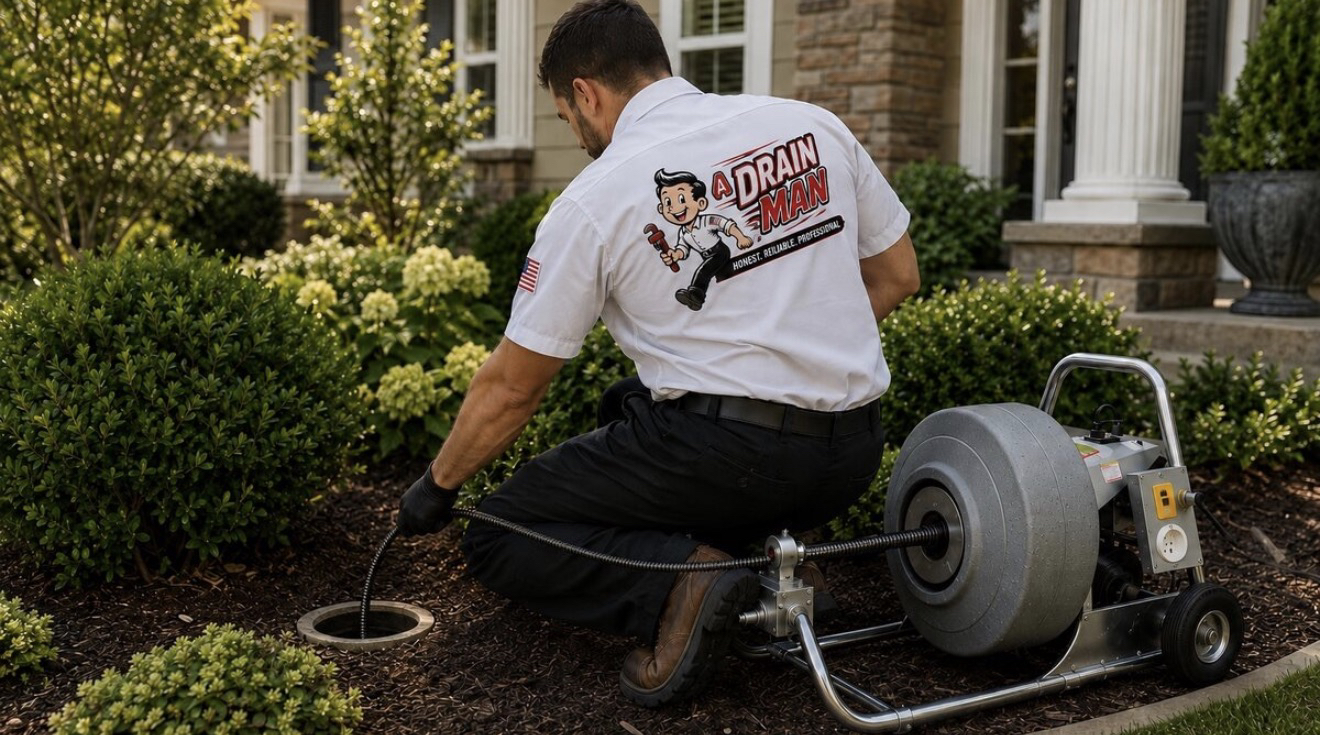
A main sewer backup is not a DIY guessing game. Wastewater can contain harmful bacteria, and repeated flushing can worsen the overflow. Professional drain cleaning and, when needed, camera inspection can identify the real obstruction instead of treating the symptom.
What to Do Before the Toilet Overflows
When water is rising, the first goal is simple: prevent more water from entering the bowl.
Remove the tank lid and push the rubber flapper closed if the toilet is still actively flushing. Then turn the shutoff valve behind or beside the toilet clockwise. This valve stops the water supply to the tank. If the bowl is close to overflowing, do not flush again to test whether the problem is fixed.
Give the water several minutes to settle. If it drops back to its normal level and no other drains are acting up, try a flange plunger with enough water in the bowl to cover the rubber cup. Make a tight seal over the drain opening, then use steady, controlled strokes for 15 to 20 seconds. Wild splashing does not make a plunger work better.
If the water remains high, use a bucket or disposable container to remove some water before it spills. Wear gloves, protect the surrounding floor with old towels, and keep children and pets away from the area. Do not use chemical drain cleaners in a toilet. They often fail to clear the real blockage, can damage plumbing components, and create a hazardous situation for whoever has to service the drain next.
When a Plunger Is Not the Right Answer
A plunger is useful for a straightforward, soft obstruction near the toilet. It is not a cure for every rising-water situation. Continued plunging can be frustrating at best and may force wastewater out at the rim at worst.
Call for plumbing help when the toilet repeatedly clogs, the bowl fills after each flush, or water is backing up into another fixture. You should also call when more than one drain is slow or gurgling, when sewage appears in a tub or shower, or when the toilet rises without anyone using it. Those symptoms can indicate a shared drain or sewer line issue.
For commercial properties, a single backed-up restroom can disrupt employees, customers, and daily operations. Getting the drain properly diagnosed early can help avoid closing off additional restrooms or dealing with a larger sanitation problem.
Could a Plumbing Vent Cause Rising Toilet Water?
Sometimes, but it is less common than a clog. Plumbing vents allow air to move through the drainage system so wastewater can flow smoothly. A blocked or poorly functioning vent can lead to gurgling, weak flushing, or changes in water level because the system cannot balance air pressure as it should.
Vent problems are more likely when you hear persistent gurgling from several fixtures or notice slow drains without an obvious blockage. Diagnosing a vent safely may require accessing the roof or inspecting the plumbing system, so this is usually a job for a licensed plumber.
Why the Toilet Bowl Can Rise Without a Flush
A bowl that rises when nobody flushes calls for a closer look. If someone runs the washing machine, takes a shower, or empties a sink and the toilet water moves, a blockage in a shared drain line may be forcing wastewater toward the toilet.
Another possibility is a running toilet. A faulty fill valve can continue feeding the tank, and excess tank water flows through the overflow tube into the bowl. Normally, the bowl drains that added water through the trap. But if the toilet also has a partial clog, the constant flow can eventually create an overflow.
Listen for a toilet that refills on its own or runs long after flushing. That is a separate repair concern, but it can make a drainage problem more urgent.
How to Help Prevent Another Backup
Toilets are built for human waste and toilet paper, not for wipes, hygiene products, dental floss, cat litter, grease, or cleaning pads. Even products marketed as flushable can stay intact longer than they should and catch in a pipe, especially in older plumbing.
Use reasonable amounts of toilet paper, address slow flushing early, and avoid treating recurring clogs as normal. A toilet that needs frequent plunging is telling you something. It may have a developing blockage, a low-flow performance issue, or a drain line that needs cleaning.
For homes with mature trees or aging sewer pipes, scheduled drain maintenance can be a practical way to catch buildup and root intrusion before it becomes an after-hours backup.
Get the Right Fix, Not Another Temporary Flush
A toilet that rises once may be a simple clog. A toilet that rises repeatedly, affects other fixtures, or brings wastewater into the tub is a warning that the issue may be deeper in the system. The safest move is to stop flushing and have the drain evaluated before the next backup reaches the floor.
For homeowners and property managers in the area, A Drain Man provides straightforward drain and plumbing service with the goal of finding the root cause, explaining the repair clearly, and getting your bathroom back to normal without the runaround.
Conclusion: Trust the Experts
In plumbing, it’s crucial to recognize the signs of trouble early. Understanding why toilet water rises can save you from costly repairs and messy cleanups. If you ever find yourself in a situation where the toilet is rising, remember to act quickly and consider reaching out for professional help. A Drain Man is here to ensure you get reliable and efficient solutions for all your plumbing needs.


Comments