Flushable Wipes and Your Plumbing System
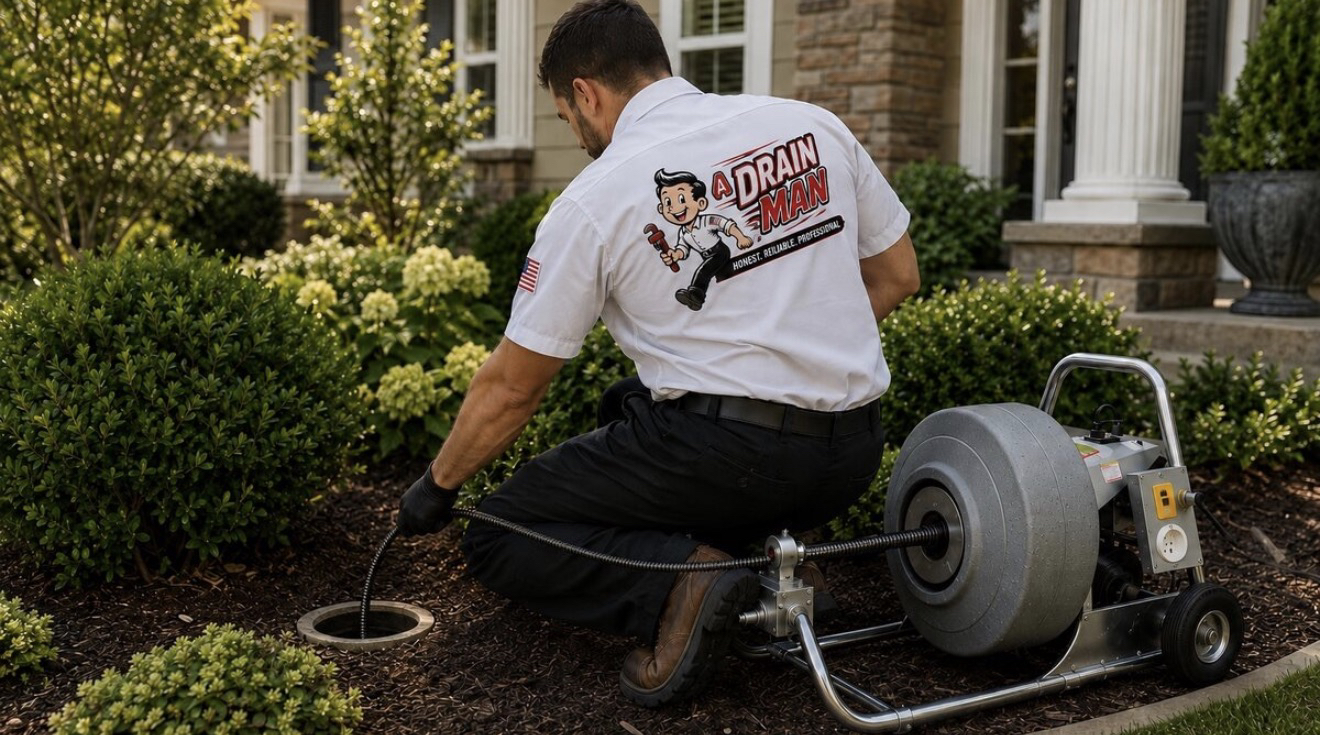
A toilet may flush normally after a wipe goes down, but that does not mean the wipe is gone. Flushable wipes plumbing trouble often starts out of sight: a wipe catches on a rough pipe joint, combines with toilet paper and buildup, then turns one routine flush into a stubborn blockage weeks or months later.
For homeowners, landlords, and business owners, the message is simple: the only things that belong in a toilet are human waste and toilet paper. Even wipes sold as “flushable” can create expensive drain problems, especially in older homes, buildings with long sewer runs, or properties with aging pipes.
Why “Flushable” Wipes Cause Plumbing Problems
The word “flushable” can be misleading. A wipe may make it through the toilet trap and disappear from view, but that is only the first section of the journey. It still has to travel through branch drains, the building sewer line, and eventually the public sewer system or a septic system.
Toilet paper is designed to break apart quickly in moving water. Most wipes are made to stay durable while they are being used. That strength is useful before flushing, but it becomes a problem once the material enters a drain line. Wipes can fold, stretch, snag, and remain intact far longer than toilet paper.
A single wipe does not guarantee an immediate clog. The real issue is accumulation. A wipe that catches inside a pipe creates a small net for other material. Toilet paper, hair, grease residue, soap scum, and other debris can gather around it. Over time, water has less room to move through the line, and the symptoms begin.
“Biodegradable” Does Not Mean Safe for Your Pipes
Some wipes are labeled biodegradable, sewer-safe, or septic-safe. Those claims may refer to how a product breaks down under specific testing conditions, often over a longer period than a residential drain line allows. Your plumbing system needs material to disperse quickly, not eventually.
This matters even more in older properties around Redlands and Riverside, where cast iron, clay, or aging sewer pipes may have interior scale, offset joints, root intrusion, or rough surfaces. A newer PVC drain line can catch wipes too, but older pipes give them even more places to hang up.
Common Signs of Flushable Wipes Plumbing Trouble
A wipes-related blockage can look like any other drain clog at first. The difference is that it often returns after a plunger seems to solve the problem. Water may push past the obstruction temporarily, then slow down again as more debris collects.
Watch for toilets that flush weakly, bubble, or need more than one flush. A bathtub or shower that gurgles when the toilet is flushed can also point to a developing blockage in a shared drain line. If several fixtures are draining slowly, or wastewater rises in a tub or shower, the issue may be in the main sewer line rather than the toilet itself.
Bad odors near drains, frequent toilet overflows, and a toilet that backs up without an obvious reason are also worth taking seriously. A clog is easier and cleaner to address before sewage reaches the floor.
What to Do If Wipes Have Been Flushed
If one wipe was flushed and the toilet is working normally, there is no need to panic or repeatedly flush in an attempt to move it along. Stop flushing wipes going forward and pay attention to how the fixtures drain over the next several days.
If the toilet starts to clog, use a flange plunger made for toilets. A few steady plunges may clear a minor obstruction close to the toilet. Avoid adding chemical drain cleaners. They rarely dissolve wipes, can damage certain pipes or fixtures, and may leave hazardous standing water for whoever has to repair the line.
When a plunger does not restore normal flushing, a toilet auger may reach a blockage in the toilet trap or nearby drain. This is a reasonable tool for a homeowner who is comfortable using it, but it has limits. Pushing harder is not always better. A wipe lodged farther down the line may need professional drain cleaning equipment to remove it completely instead of just shifting it deeper into the pipe.
Call for plumbing service right away if sewage is backing up into a tub, shower, sink, or floor drain. Stop using water throughout the building until the problem is assessed. Running the dishwasher, washing machine, or another toilet can send more water toward an already blocked line.
Why Repeated Clogs Need More Than a Quick Fix
It is tempting to treat every backup as an isolated toilet clog. But when the same bathroom has repeat problems, the goal should be finding the root cause. Wipes may be part of the blockage, but the pipe itself may also have scale buildup, roots, a broken section, a belly in the line, or a poor connection from a past repair.
Professional drain cleaning can remove the immediate obstruction, while a camera inspection can show what is happening inside the pipe. This is particularly helpful for landlords and commercial property managers. It provides a clearer picture of whether the issue is tenant behavior, a pipe condition, or both.
For homes with recurring sewer line issues, the right answer depends on the pipe material and damage. Thorough cleaning may be enough for a line with ordinary buildup. Root removal and maintenance may make sense for some older sewer lines. A cracked, collapsed, or badly deteriorated pipe may need repair or replacement. Honest diagnosis matters because the cheapest short-term option is not always the one that prevents the next backup.
Keep Wipes Out of the Drain System
The practical solution is to place a covered wastebasket next to every toilet, including guest bathrooms. Make it easy for family members and visitors to throw wipes away instead of flushing them. This applies to baby wipes, cleaning wipes, cosmetic wipes, disinfecting wipes, and personal-care wipes.
The same rule applies at commercial properties. A restroom sign can help, but staff awareness matters too. Restaurants, offices, retail spaces, and rental units can all experience costly interruptions when wipes enter the drain system. A simple disposal habit is far less expensive than emergency cleanup, lost business time, or water damage.
If someone in the household prefers wipes for personal hygiene, use them as intended and place them in the trash after use. A bidet attachment is another option that can reduce toilet paper use without adding durable material to the plumbing.
When to Call a Plumber
A plunger can handle some simple toilet clogs, but ongoing symptoms call for a closer look. Contact a licensed plumbing professional when clogs keep returning, multiple drains are affected, water backs up into another fixture, or there is any sign of sewage inside the home or business.
A Drain Man helps property owners identify what is blocking the line and what it will take to fix it properly, without guesswork or runaround. Whether the issue is a toilet obstruction, a main sewer backup, or an aging pipe that needs attention, prompt service can help prevent a messy problem from becoming a larger repair.
Your drains do not need perfect treatment to work well, but they do need the right materials. Keep wipes in the trash, pay attention to early warning signs, and address repeat clogs before the next flush becomes an emergency.


Comments