Why a Licensed Plumber in Redlands CA Matters
A leaking pipe behind a wall, a water heater that quits before morning showers, or a sewer backup near the front door can turn an ordinary day into a stressful one fast. When you need a licensed plumber Redlands CA homeowners can count on, the goal is not simply to get water flowing again. You need to know the repair is safe, code-conscious, and built to last.
A quick fix can look like a bargain until the same leak returns, hidden water damage spreads, or a poorly installed fixture creates a bigger problem later. Choosing a licensed professional gives you a clearer path forward, especially when the work involves gas lines, water heaters, sewer piping, major leaks, or a remodel.
What a Licensed Plumber in Redlands CA Brings to the Job
Plumbing systems are connected. A slow kitchen drain may be a simple buildup near the sink, but it can also point to a deeper blockage in the branch line. Low hot-water pressure may be related to a fixture, sediment in the water heater, aging supply lines, or a pressure issue elsewhere in the home. Experience matters because the right repair starts with finding the real cause.
A licensed plumber is trained to work with the systems that carry water into your property, move wastewater out, and support fixtures and appliances throughout the building. That includes pipe repairs, drain cleaning, water heater service, leak detection, toilet and faucet repairs, and plumbing work for renovations or new construction.
Licensing also matters when a job requires permits or must meet applicable building requirements. Not every repair needs a permit, but larger replacements, rerouting pipes, water heater installations, and renovation work may. A qualified plumber can explain what the job involves instead of leaving you to sort through confusing details after the work has started.
Insurance is another practical piece of the picture. Plumbing work often happens in tight spaces, behind walls, under sinks, on roofs, or around electrical and gas components. Hiring an insured professional helps protect both the property owner and the people doing the work.
When a Small Plumbing Problem Should Not Wait
Some plumbing issues are frustrating but can wait for a scheduled visit. A dripping faucet, for example, may not be an emergency, though it is still worth repairing before it wastes more water or damages the fixture. Other situations need immediate attention because every hour can add to the cleanup bill.
Call for prompt help if you have a burst pipe, water coming through a ceiling, a sewer backup, no hot water from a leaking water heater, a toilet that overflows and will not stop, or the smell of gas near a gas appliance. If you suspect a gas leak, leave the area and follow appropriate emergency safety procedures before arranging repair service.
Repeated drain clogs deserve attention too. Plunging one clogged toilet or clearing hair from a bathroom sink is often reasonable. But if multiple drains are slow, the toilet bubbles when the shower drains, or water backs up in a tub, the blockage may be farther down the line. Chemical drain cleaners are rarely the answer for a recurring clog. They can be harsh on some pipes, create a safety hazard for whoever works on the drain next, and still fail to remove the obstruction.
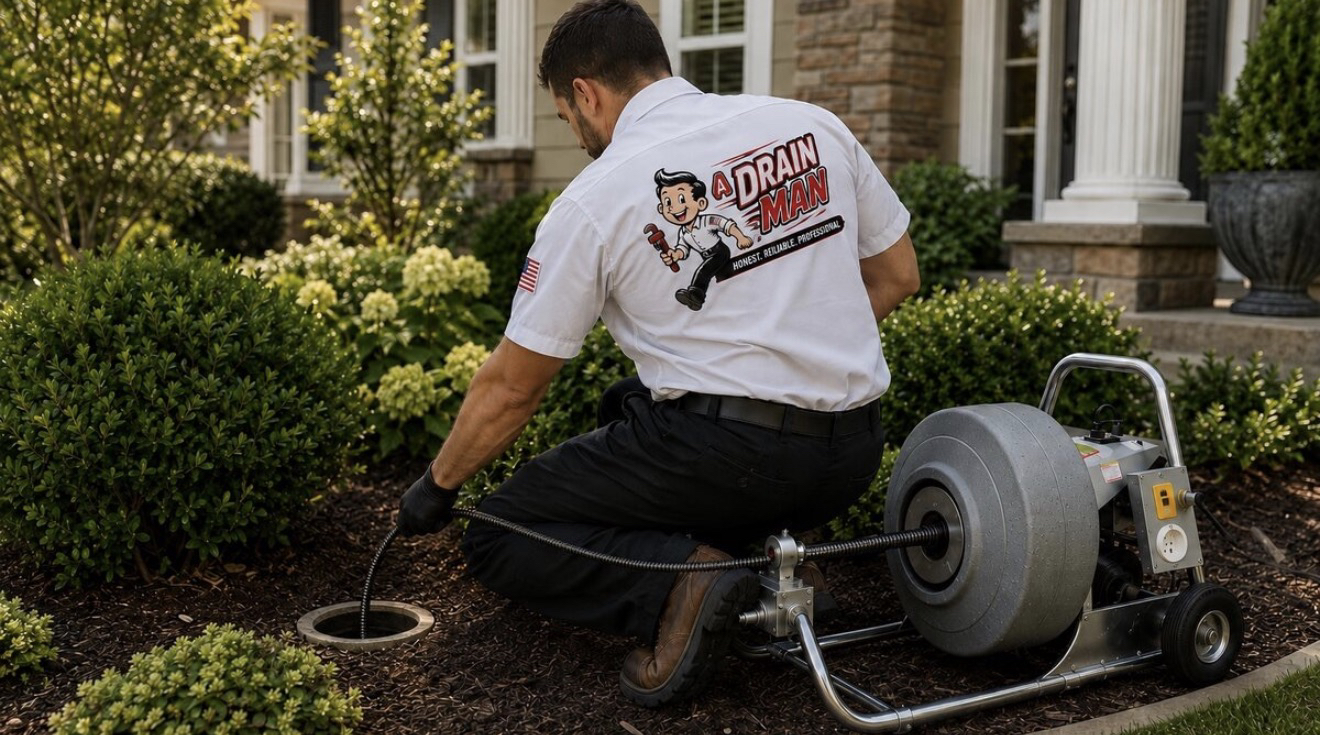
A professional drain cleaning visit is about more than getting a temporary opening. The plumber can assess where the problem is occurring and recommend the appropriate method for the pipe and blockage. Depending on the situation, that may mean clearing accumulated debris, addressing roots in a sewer line, or investigating damaged or aging pipe.
Older Redlands Homes Need a Thoughtful Approach
Older homes have character, but their plumbing can come with surprises. Original or outdated piping materials, previous repairs from different decades, narrow wall cavities, and aging sewer lines can all affect how a project should be handled. The right solution is not always to replace everything at once, and it is not always wise to patch the same line repeatedly.
That is where a careful inspection and an honest conversation make a difference. If one isolated section of pipe has failed, a targeted repair may be the sensible choice. If leaks keep appearing in different areas or water quality and pressure are declining, replacement may save money and disruption over time. It depends on the condition of the system, access to the pipes, the homeowner's plans for the property, and the scope of the problem.
Historical-home upgrades require even more care. Plumbing should be modernized in a way that supports dependable daily use while respecting the home’s layout and distinctive features. An experienced local plumber can help owners weigh access options, minimize unnecessary demolition, and plan work in sensible stages when a full renovation is not practical.
What to Expect From a Straightforward Service Visit
Good plumbing service should not feel mysterious. You should be able to explain the issue in plain language, ask questions, and understand the recommended next step before work begins.
At a typical visit, the plumber will listen to what you have noticed, inspect the affected area, and test the system as needed. For a leak, that may involve checking visible connections, water pressure, fixtures, or nearby plumbing lines. For a drain problem, it may include determining whether the clog is local to one fixture or part of a larger drainage issue.
Once the cause is clearer, you should receive an explanation of the repair options. Sometimes there is one obvious path. Other times, there may be a short-term repair and a longer-term solution. A transparent plumber will explain the difference without pressuring you into work that does not fit the actual condition of the system.
Before the technician leaves, ask what caused the issue, what was repaired, and what signs would suggest a future problem. Those answers can help you make better decisions about maintenance and avoid being caught off guard later.
Plumbing for Rental and Commercial Properties
For landlords and commercial property managers, plumbing problems bring an added layer of urgency. A failed restroom, clogged main line, or water heater outage can interrupt tenants, customers, employees, and daily operations. Fast response matters, but so does documentation, clear communication, and repairs that reduce the odds of another service call next week.
A reliable plumbing partner can handle everyday service calls as well as larger needs such as fixture replacements, tenant turnover repairs, kitchen and restroom upgrades, pipe repairs, and ongoing maintenance. For businesses, scheduling preventative drain maintenance can be particularly helpful in restrooms, break rooms, kitchens, and other high-use areas. The best schedule depends on how the property is used, not a one-size-fits-all calendar.
How to Choose the Right Plumbing Professional
Price matters, but the lowest number is not always the lowest cost. An estimate that skips diagnosis, uses vague language, or leaves out likely repair steps can lead to surprises later. Look for a plumber who communicates clearly, is properly licensed and insured, and is willing to explain the work without a sales pitch.
It also helps to choose a company with the range to handle the next problem, not just the current one. A property owner may call first for a clogged sink, then later need water heater service, a sewer-line repair, or plumbing support during a bathroom remodel. Working with a team that understands your property history can make those decisions easier.
A Drain Man brings three generations of plumbing experience to residential and commercial customers, with help available for repairs, maintenance, renovations, and plumbing emergencies. The focus is simple: identify the problem, explain the options, and do the work without the runaround.
The next time plumbing trouble shows up, do not wait for a minor issue to become expensive damage. A clear conversation with a qualified local professional can turn a stressful problem into a manageable repair.


Comments