What Fair Plumbing Estimates Should Include
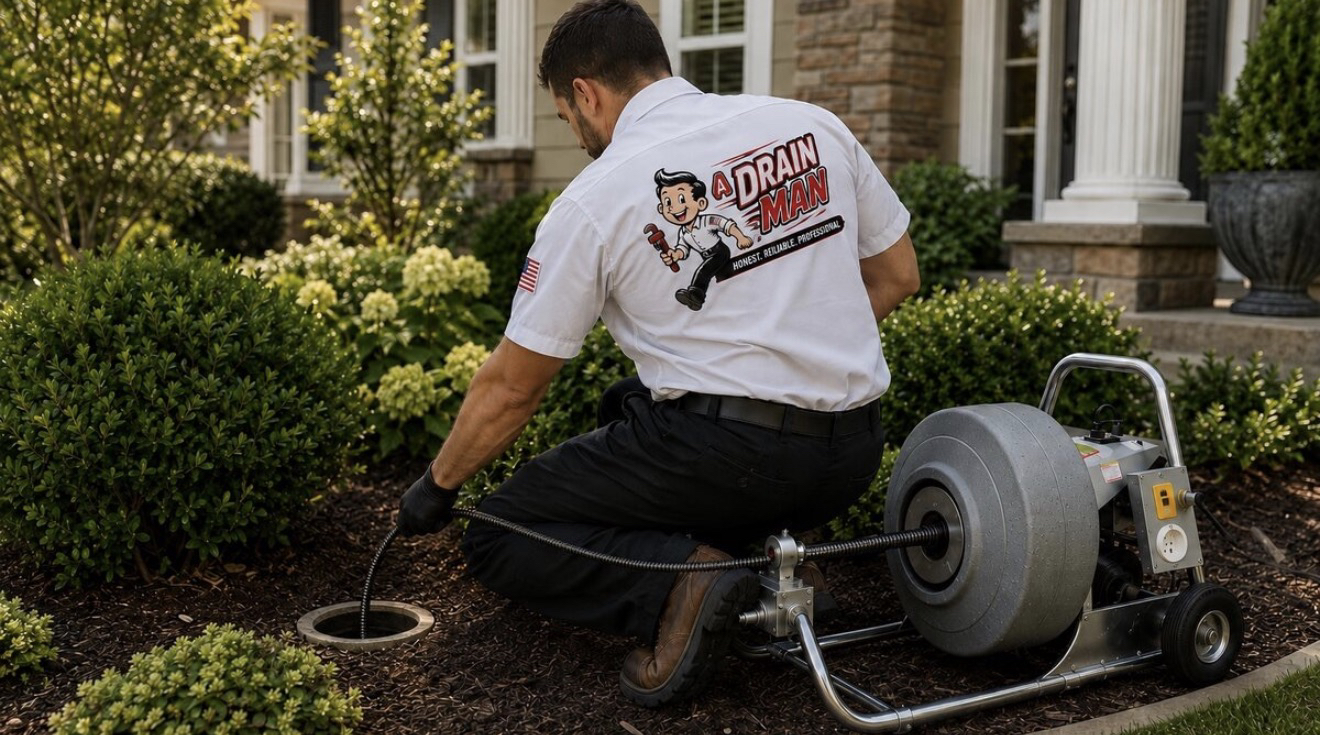
A leaking pipe under the sink, a water heater that quits before morning showers, or a drain backing up into the tub can make anyone want a fast answer: What will this cost? Honest plumbing estimates give you more than a number. They show what is wrong, what needs to happen next, and what you are agreeing to before work begins.
A fair estimate should make a plumbing problem feel manageable, not leave you guessing about labor, parts, or possible add-ons. Whether you own a home, manage a rental, or keep a commercial property running, knowing how to read a quote helps you make a confident decision.
What a Plumbing Estimate Is Actually For
An estimate is a professional assessment of the expected cost to diagnose and complete a plumbing repair, installation, or maintenance service. It is based on what can be seen during the initial visit, the condition of the system, access to the affected area, material needs, and the time required to do the job correctly.
Not every plumbing issue can be priced accurately over the phone. A slow drain might be a simple buildup near the fixture, or it could point to roots in a sewer line, a damaged pipe, or an issue farther down the system. The same is true of leaks. The water stain on a ceiling may be directly below the problem, but water can travel before it becomes visible.
That is why a plumber may need to inspect the issue before providing a firm price. This is not a runaround. A proper diagnosis protects you from approving a low number that does not address the real problem.
What Fair Plumbing Estimates Should Include
A useful estimate puts the scope of work in plain language. You should be able to understand what the plumber found and what they recommend doing about it. If the wording is too vague, ask for clarification before approving the work.
A clear quote generally identifies the specific repair or service, such as clearing a kitchen drain, replacing a shutoff valve, repairing a section of pipe, installing a water heater, or investigating a leak. It should also explain whether the price covers labor, standard materials, equipment, disposal, permits when applicable, and any diagnostic or service-call charge.
For larger work, the estimate should also address the materials being installed. That does not always mean every fitting must be listed one by one, but you should know the type of fixture, pipe, water heater, or replacement part being proposed. This matters when comparing options. A basic fixture and a premium fixture can both solve the immediate problem, but they will not carry the same upfront cost or long-term value.
Timing belongs in the conversation too. Ask when the work can begin, how long it is expected to take, and whether water service will need to be shut off. For businesses, find out how the repair may affect customers, employees, restrooms, kitchen operations, or daily workflow.
Why Plumbing Prices Can Vary
Two plumbing estimates for what sounds like the same repair may differ for legitimate reasons. The key is understanding what each company is including and whether both are solving the same problem.
Access is one major factor. Replacing an exposed valve under a sink is very different from repairing a pipe behind tile, inside a wall, under a slab, or in a crawlspace. The repair itself may be straightforward, but reaching the damaged line without causing unnecessary disruption takes time and care.
The age and condition of your plumbing matter as well. Older homes can have outdated pipe materials, previous repairs, corroded fittings, or lines that do not match current standards. Historical homes require extra planning because the goal is not simply to install modern plumbing. It is to protect the character of the property while creating a safe, dependable system.
Emergency timing can also change the cost. A burst pipe or sewer backup at night cannot always wait for regular business hours. Emergency service is valuable because it limits water damage, protects the building, and gets the system back in working order sooner. When timing is flexible, routine repairs and planned replacements may offer more scheduling options.
Finally, a lower quote is not automatically a better quote. One estimate may cover only the visible symptom, while another includes diagnosis, proper repair materials, code-related work, cleanup, and testing. Compare the proposed solution, not just the bottom line.
Estimate, Quote, and Final Invoice
People often use these terms interchangeably, but there can be a difference. An estimate is an expected price based on the information available at the time. A quote may be a stated price for a clearly defined job. The final invoice reflects the completed work.
For simple, visible repairs, the estimate and final invoice may match closely. For hidden leaks, damaged sewer lines, or remodel projects, conditions can change once work begins. A trustworthy plumber should explain that possibility upfront and get your approval before moving forward with additional work that changes the cost.
Questions Worth Asking Before You Approve Work
You do not need to know plumbing terminology to ask good questions. Start with the basics: What caused the problem? What repair do you recommend? Is there a less expensive option, and what are the trade-offs? How long should this repair last?
It is also reasonable to ask whether the work includes a warranty, whether permits are required, and whether wall, flooring, or landscaping restoration is part of the plumbing scope. Plumbers can repair the pipe, but finishing work after access is created may be handled separately. Knowing that beforehand prevents confusion later.
For a drain problem, ask whether the line was only cleared or whether the plumber found a reason it keeps clogging. Repeated blockages can point to grease buildup, root intrusion, pipe damage, or incorrect slope. Clearing the drain may restore flow today, but identifying the cause can prevent another call next month.
For a water heater estimate, ask about capacity, fuel type, efficiency, venting, earthquake strapping, and the condition of related connections. The least expensive replacement is not always the best fit for a household with high hot-water demand or a property with aging plumbing connections.
Red Flags in a Plumbing Quote
A quote should not feel like a puzzle. Be careful when a contractor will not explain the problem, provides only a verbal total with no description of work, pressures you to decide immediately on non-emergency work, or refuses to discuss possible changes in price.
Another red flag is a price that seems unusually low without a clear scope. Sometimes a low initial number covers a minimal repair that is likely to fail or leaves out necessary labor and materials. You deserve to know what is and is not included.
At the same time, the highest estimate is not automatically the most thorough. Ask each company to explain its recommendation in plain language. Licensed and insured professionals should be comfortable answering direct questions about the work, the materials, and the expected result.
How to Make the Estimate Visit More Productive
A little preparation can help the plumber diagnose the problem faster. If possible, note when the issue began, what fixtures are affected, whether it is constant or intermittent, and whether anything changed before the problem appeared. Photos or videos of an occasional leak or backup can be especially helpful.
Clear access to the affected area when it is safe to do so. For example, remove items from under a sink or around a water heater. Do not take apart pipes, use harsh chemical drain cleaners, or keep running water into a backed-up drain while waiting for help. Those steps can make the situation worse or create a safety hazard.
For landlords and commercial property managers, share building details that may affect the work, such as tenant schedules, restroom access requirements, previous repair records, or known shutoff locations. Good information helps prevent unnecessary downtime.
Choose Clarity Over Guesswork
The right plumbing estimate respects both your property and your budget. It gives you a defined plan, explains the price drivers, and leaves room for honest communication if hidden conditions are found.
For homeowners and businesses across the Inland Empire, A Drain Man approaches estimates the same way we approach repairs: identify the real issue, explain the options clearly, and do the work without unnecessary complexity. When a plumbing problem shows up, a clear answer is a good place to start.


Comments