Top Signs of Hidden Leaks Around Your Home
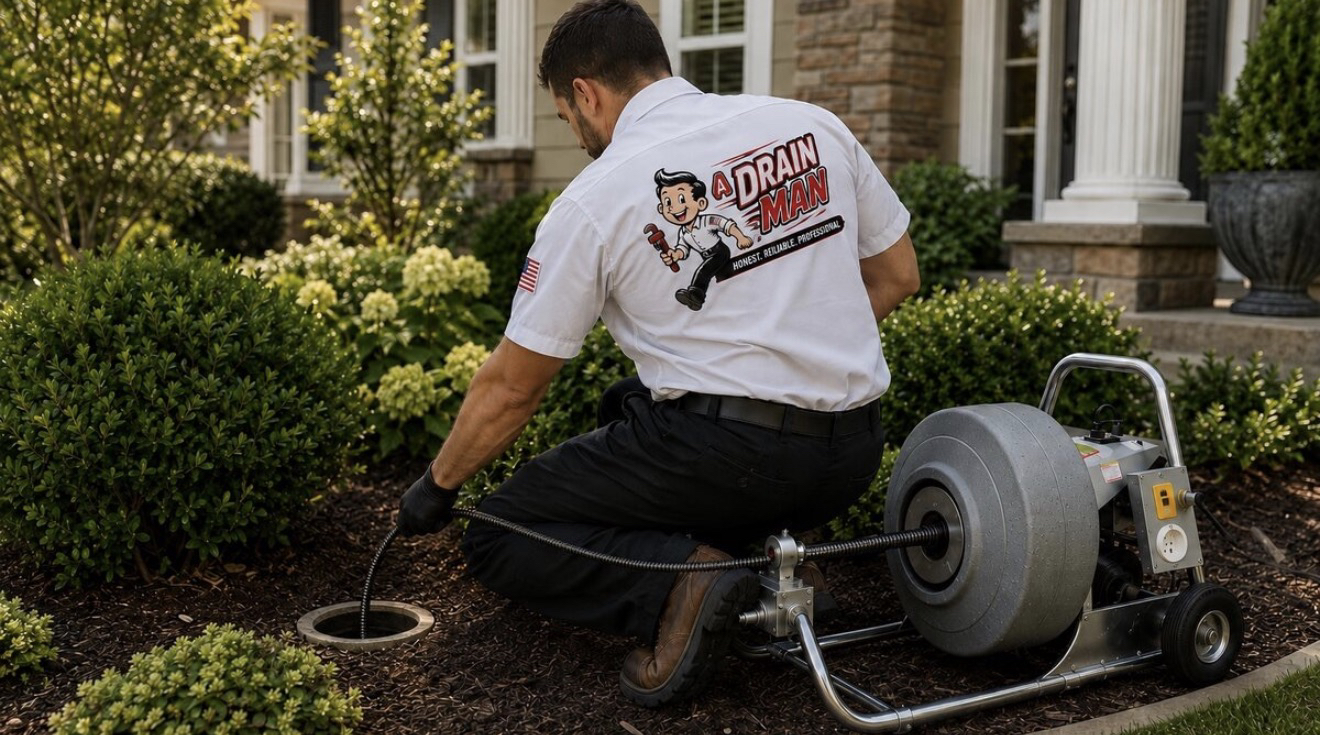
A hidden leak rarely announces itself with a burst pipe or water pouring through the ceiling. More often, it starts with a faint musty smell, a water bill that does not make sense, or a patch of paint that suddenly looks different. Knowing the top signs of hidden leaks can help you act before water damages framing, flooring, drywall, or the foundation beneath your home.
For homeowners and property managers, the goal is not to guess where the problem is. It is to notice the warning signs early, protect the property, and have the plumbing system checked before a small leak becomes a disruptive repair.
Top Signs of Hidden Leaks You Should Not Ignore
A water bill that rises without a clear reason
Your water use can vary a little from month to month, especially during hot Southern California weather or when landscaping needs more irrigation. But a noticeable increase with no change in habits deserves a closer look.
Start by thinking through recent changes. Have more guests been staying at the house? Has the lawn sprinkler schedule changed? Did you fill a pool or take on a renovation project? If the answer is no, water may be escaping somewhere out of sight.
A running toilet is one common cause and is often easy to identify. If toilets appear normal, the issue could be a leaking supply line, a pipe behind a wall, a slab leak, or an underground line. Even a slow leak can waste a surprising amount of water over time.
Your water meter moves when nothing is running
The water meter test is a useful first check. Turn off faucets, appliances that use water, irrigation, and ice makers if possible. Then look at your water meter and note the reading. If the leak indicator is moving, or the number changes after a period when all water remains off, water is likely flowing somewhere.
This test does not tell you where the leak is, and it cannot rule out every situation. An irrigation system, water softener, or appliance that cycles automatically can affect the result. Still, unexplained meter movement is a good reason to schedule professional leak detection rather than waiting for visible damage.
Discolored walls, ceilings, or floors
A yellow, brown, or gray stain on a ceiling is never something to paint over and forget. It may be caused by a leaking pipe, a shower or tub drain issue, a roof problem, or condensation. The source matters because each requires a different repair.
Look for paint that is bubbling, peeling, or soft to the touch. Drywall may feel swollen, flooring can begin to cup or separate, and baseboards may pull away from the wall. Water does not always show up directly below the leak. It can travel along framing or pipes before becoming visible in another room.
If a stain expands, feels damp, or appears after someone uses an upstairs bathroom, stop using that fixture until it can be inspected. A little inconvenience now can prevent a ceiling repair later.
Musty odors that keep returning
A persistent musty smell is often a moisture problem before it is a cleaning problem. Hidden water behind cabinets, under flooring, inside walls, or in a crawl space can create the damp conditions that lead to mildew and mold growth.
Bathrooms, kitchens, laundry rooms, and water heater areas are common places to notice the smell first. In older homes, previous repairs or aging pipe materials can make it harder to tell whether the moisture is new or has been lingering for a while.
A musty odor does not automatically mean there is an active plumbing leak. Poor ventilation, a wet shower area, or water intrusion from outdoors can also be responsible. But if the smell persists after cleaning and drying the area, it is worth finding out why.
Warm spots, wet spots, or cracked flooring
A warm area on a concrete floor may seem harmless, especially during warmer months. But when it is isolated, noticeable, and near a hot water line, it can point to a slab leak. Other signs can include damp carpet, unexplained wet flooring, loose tile, or cracks that seem to be getting worse.
Slab leaks need prompt attention because water below the foundation can affect flooring, encourage mold, and in some cases contribute to soil movement around the structure. The right repair depends on the pipe condition, the leak location, the type of foundation, and whether there is a history of previous leaks. A quality inspection should explain the options clearly, not push a one-size-fits-all answer.
Low water pressure in one area or throughout the building
Low water pressure can happen for plenty of reasons, including a clogged faucet aerator, a partially closed valve, mineral buildup, or a municipal supply issue. It is not always a hidden leak.
Still, a sudden drop in pressure, especially combined with a higher water bill or damp areas, can signal a broken or leaking pipe. Pressure concerns in a commercial property deserve quick attention as well. Low pressure can disrupt restrooms, kitchens, employee areas, and customer service, while a leak continues to cause damage out of sight.
The sound of water when fixtures are off
When the house is quiet, listen for a steady hissing, dripping, or rushing sound near walls, floors, or plumbing fixtures. A toilet that refills periodically is a frequent culprit. If you hear water in the wall or under the floor with no fixture operating, do not ignore it.
The same goes for a water heater that seems to run more often than usual or a pump that cycles when no one is using water. These clues do not replace a diagnosis, but they give a plumber valuable information about where to begin.
Places Hidden Leaks Often Start
Leaks are not limited to old pipes. They can develop at supply line connections, shutoff valves, appliance hoses, shower pans, tub drains, toilet seals, water heater fittings, irrigation lines, and pipe joints hidden behind walls. Corrosion, shifting soil, high water pressure, aging materials, and poor past repairs can all play a part.
Historical homes can require extra care. Plumbing upgrades in an older property should protect the character of the home while addressing pipe materials and connections that may no longer be dependable. Opening walls unnecessarily is not the goal. Accurate detection helps focus the repair where it is needed.
What to Do If You Suspect a Leak
First, protect the area. Move belongings away from visible moisture, place a container under an active drip if safe, and avoid using a fixture that seems connected to the problem. If water is actively spreading, shut off the nearest fixture valve. If you cannot isolate it, use the main water shutoff valve.
Take photos of stains, wet flooring, or meter readings before the area changes. This can be helpful for tracking the issue and may help with an insurance claim if significant water damage has occurred. Avoid cutting into walls, pulling up flooring, or repeatedly running water to test the problem. Those steps can make damage worse or turn a manageable repair into a larger restoration project.
Then call a licensed plumbing professional for leak detection and repair. A proper inspection can separate a plumbing leak from a drainage issue, roof intrusion, condensation, or irrigation problem. That distinction matters because the fastest repair is not always the right repair.
When a Hidden Leak Is an Emergency
Call for immediate help if water is pouring from a ceiling or wall, a pipe has burst, flooring is rapidly flooding, you smell gas near a water heater, or water is reaching electrical outlets or panels. Shut off the water if you can do so safely and keep people away from the affected area.
For slower signs, such as a recurring stain or an unexplained bill increase, schedule service soon rather than putting it on the next home-maintenance list. Leaks do not tend to fix themselves, and the visible evidence is often smaller than the water damage behind it.
A Drain Man brings three generations of plumbing experience to homes and businesses that need clear answers, dependable repairs, and no runaround. If something in your property feels off, trust that instinct. A timely inspection can protect far more than a pipe.


Comments