Leak Detection for Hidden Water Problems
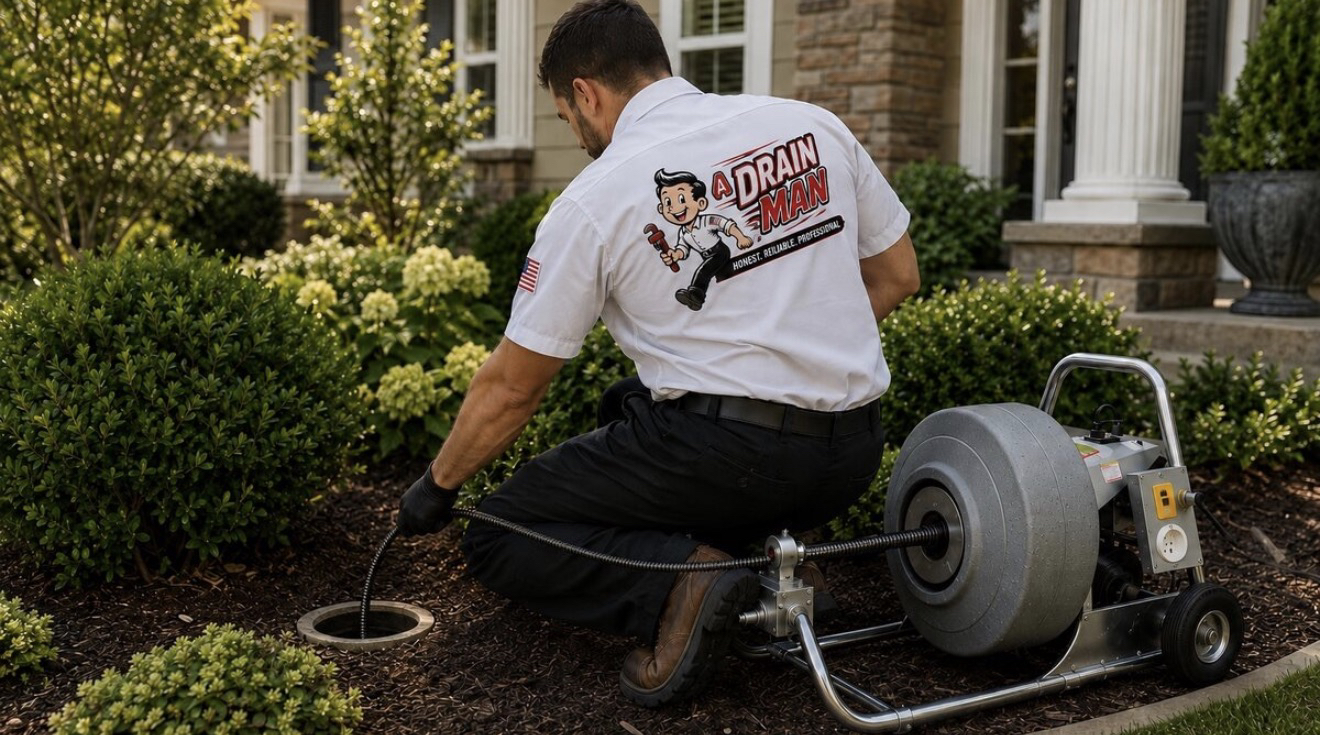
A leak does not have to leave a puddle under the sink to cause real trouble. A slow drip behind a wall, beneath a slab, or inside a ceiling can waste water for weeks while quietly damaging drywall, flooring, framing, and personal property. Professional leak detection helps pinpoint the source before a small plumbing problem turns into a larger repair.
For homeowners, landlords, and business owners, the goal is not simply to find water. It is to identify http://ADrainMan.comwhere it is coming from, why it started, and what repair will stop it for good. That is how you avoid repeat visits, unnecessary demolition, and the stress of wondering whether the problem is still growing out of sight.
Signs You May Have a Hidden Leak
Some leaks announce themselves with a steady drip or a wet cabinet. Others are much less obvious. A higher-than-normal water bill is often one of the first warnings, especially when household water use has not changed. If your bill climbs without a clear reason, it is worth checking for a plumbing leak before assuming it is just a billing issue.
Watch for damp spots on walls, ceilings, or floors; peeling paint; bubbling drywall; warped baseboards; or a musty odor that does not go away with cleaning. Mold or mildew may grow where moisture is trapped, even if the leak itself is not visible. Warm spots on a concrete floor can also point to a hot-water line leak beneath the slab.
You may hear water moving when every faucet, appliance, and fixture is off. Another useful check is your water meter. Turn off water inside and outside the property, then watch the meter. If it continues to move, water may be escaping somewhere in the system. This is a good warning sign, but it does not tell you where the leak is or whether it is in a pipe, fixture, irrigation line, or water-using appliance.
Why Small Leaks Should Not Wait
A minor leak rarely stays minor on its own. Water follows gravity and finds openings, so the visible stain may be several feet away from the actual pipe failure. By the time a ceiling spot appears, insulation, framing, or the space above it may already have been exposed to moisture.
There is also the cost of wasted water. A tiny, steady leak can add up over a month, and a leaking toilet can waste far more than most people realize. For rental properties and commercial spaces, an undetected leak can bring added concerns: disrupted tenants, damaged inventory, unsafe flooring, interrupted operations, and repairs that become harder to schedule.
Older homes deserve particular attention. Aging galvanized lines, corroded fittings, shifting soil, worn supply hoses, and previous repairs can all create weak points. In historic homes, finding the leak accurately matters even more because opening walls or floors without a clear plan can disturb original materials that are worth preserving.
How Professional Leak Detection Works
Good leak detection is not guesswork and should not begin with cutting open walls at random. A licensed plumber starts with the basics: asking when the issue began, checking visible plumbing, reviewing water-use clues, and isolating sections of the system. From there, the best method depends on the property and the suspected location of the leak.
Meter and pressure testing
Meter testing can confirm that water is moving through the system when it should not be. Pressure testing helps show whether a plumbing line is losing pressure, which can indicate a leak in a supply line. These tests are useful because they help narrow the search before repairs begin.
Electronic and acoustic locating
Water escaping under pressure can create sound and vibration in a pipe or surrounding materials. Specialized listening equipment may help a plumber locate that sound beneath a slab, behind a wall, or outdoors. Results depend on the pipe material, depth, water pressure, and surrounding noise, but this approach can significantly reduce unnecessary opening of finished surfaces.
Thermal imaging and moisture tools
Thermal imaging may reveal temperature differences caused by hot-water leaks or moisture in building materials. Moisture meters can help determine how far water has traveled through drywall, flooring, or cabinetry. These tools do not replace hands-on plumbing knowledge, but they provide useful evidence when the source is hidden.
Camera inspection when drains are involved
Not every water problem is a pressurized supply-line leak. A cracked drain pipe, failed sewer line, or damaged shower drain can release water only when the fixture is in use. A drain camera inspection can show cracks, offsets, corrosion, root intrusion, or other issues inside a drain line without excavating blindly.
The right process may use one method or several. The important part is getting a clear diagnosis before choosing a repair. Sometimes the fix is a connection, valve, toilet seal, or supply line. Other times, a damaged section of pipe needs repair or replacement. Honest answers matter because the repair should match the condition of the plumbing, not a one-size-fits-all recommendation.
What to Do When You Suspect a Leak
If water is actively coming through a ceiling, wall, or floor, shut off the nearest fixture valve if you can safely identify it. If the source is unclear or water is spreading quickly, turn off the main water supply to the property. Move valuables away from the affected area and avoid using electrical switches or appliances near standing water.
For a suspected but non-emergency leak, take a few simple notes. Record when you see moisture, which fixtures have been used, whether the water meter moves when everything is off, and whether the problem gets worse after showers, laundry, flushing toilets, or irrigation cycles. Those details can help a plumber isolate the issue faster.
Avoid the temptation to keep patching the visible symptom. Caulk, tape, paint, or a bucket may buy a little time, but they do not repair a failed pipe, loose fitting, cracked drain, or worn seal. Waiting can allow moisture to spread into areas that are more expensive to restore.
Leak Detection for Homes, Rentals, and Businesses
The urgency of a leak depends on the property. In a single-family home, the priority may be protecting flooring, cabinets, and family living space. In a rental, owners need a fast diagnosis that protects both the building and the people living there. In a restaurant, office, retail space, or multifamily building, even a small leak can interfere with normal operations and create liability concerns.
Commercial properties often have more plumbing lines, restrooms, equipment connections, and higher daily water use. That makes early detection especially valuable. A planned repair during a quiet period is usually easier to manage than an emergency shutdown during business hours.
A Drain Man brings three generations of plumbing experience to leak repairs and diagnostics, with clear communication about what was found and what repair options make sense. When a leak cannot wait, 24/7 emergency plumbing service can help limit water damage and get the property back to normal.
Preventing Future Water Leaks
No plumbing system is completely maintenance-free, but regular attention can catch trouble earlier. Check under sinks and around toilets for moisture, inspect washing machine hoses and water heater connections, and replace worn supply lines before they fail. Keep an eye on your water bill and make sure everyone responsible for the property knows where the main shutoff valve is located.
For older homes, rental properties, and commercial buildings, scheduled plumbing maintenance can be a practical way to spot aging components before they become emergencies. It is not always possible to predict a pipe failure, but knowing the condition of your plumbing gives you a better chance to plan repairs on your terms.
A hidden leak can feel overwhelming because you cannot always see the source. The right next step is simple: act on the warning signs early, get a proper diagnosis, and give the repair a chance to be done right before water has time to cause a bigger mess.


Comments