
Restaurant Plumbing Emergencies: First Steps
A backed-up kitchen drain at 7 p.m. is not a minor inconvenience. Restaurant plumbing emergencies can interrupt food prep, close restrooms, create slip hazards, put health standards at risk, and turn a busy service into a costly shutdown. The right response is not to guess at a fix. It is to protect people, contain the problem, and get a qualified plumber involved before a small issue spreads.
For restaurant owners, managers, and facilities teams, fast decisions matter. Knowing what to do in the first few minutes can reduce water damage, protect inventory, and help your team keep its cool when the pressure is on.
What Counts as a Restaurant Plumbing Emergency?
Not every dripping faucet requires an after-hours call. A slow sink may be able to wait until a scheduled repair, especially if it is not affecting sanitation or daily operations. An emergency is a plumbing issue that threatens safety, property, food handling, or your ability to remain open.
Sewage backing up through a floor drain is an emergency. So is a burst supply line, an overflowing toilet, a failed water heater that leaves required handwashing stations without hot water, or a main drain clog that stops multiple fixtures from draining. A serious leak behind a wall or under a sink can also become urgent quickly, particularly when water is reaching electrical equipment, flooring, storage areas, or neighboring businesses.
The common thread is impact. If the problem exposes staff or guests to wastewater, creates a significant flooding risk, or prevents your restaurant from meeting basic operating and sanitation needs, treat it as urgent.
First Steps During Restaurant Plumbing Emergencies
Your first goal is containment, not repair. Staff should never take apart drain lines, force a blockage with improvised tools, or keep running fixtures to see whether the issue improves. That can turn a manageable obstruction into an overflow.
Take these actions in order when the situation allows:
Keep employees and guests away from standing water, active leaks, and affected restrooms or kitchen areas.
Stop using the fixture involved. If several drains are backing up, stop using water throughout the affected area.
Shut off the nearest fixture valve for a localized leak. If water is pouring from a pipe and the fixture valve does not stop it, use the building's main water shutoff if you can do so safely.
Move dry food, paper goods, small equipment, and other vulnerable items away from the area. Do not handle items touched by sewage without following proper sanitation procedures.
Call a licensed emergency plumber and give a clear description of what happened, where it is occurring, and whether sewage, hot water, or active flooding is involved.
If water is near electrical outlets, appliances, or panels, do not step into it. Keep the area clear and contact the appropriate emergency support. Water and electricity are not a problem to troubleshoot during a dinner rush.
Document the Problem Without Delaying the Response
Once the immediate area is safe, take a few photos or short videos of the visible issue. Note when it started, which fixtures are affected, and what staff observed before the failure. For example, did a prep sink drain slowly all afternoon before the floor drain backed up? Did the water heater begin making unusual sounds before hot water disappeared?
Those details help a plumber narrow down the likely cause. They can also be useful for property managers, insurers, and internal maintenance records. Documentation should never delay shutting off water or calling for help, but it is worthwhile when the situation is under control.
The Problems That Shut Restaurants Down Fast
Commercial kitchens put more strain on plumbing systems than most properties. Grease, food scraps, detergents, frequent handwashing, high-volume dishwashing, and heavy restroom use all add up. Many emergency calls begin with a warning sign that was easy to overlook during a busy week.
Grease and Food Buildup in Kitchen Drains
Grease is one of the biggest causes of commercial drain trouble. It may be liquid when it goes down the drain, but it cools and sticks to pipe walls. Over time, it collects food particles and creates a thick blockage that a basic plunger will not remove.
A grease interceptor helps, but it needs regular cleaning and maintenance. It is not a license to send oil, fats, sauces, rice, coffee grounds, or food debris into the drain. If sinks are gurgling, draining slowly, or giving off sewer-like odors, schedule service before the line closes completely.
Main Sewer Line Backups
When multiple fixtures back up at once, the issue may be in the building's main drain or sewer line rather than one sink. A toilet that bubbles when a sink drains, water rising from a floor drain, or wastewater appearing in more than one area are all serious warning signs.
Main line backups can result from grease buildup, a damaged pipe, invasive roots, shifting soil, or a blockage further down the line. The solution depends on the condition and location of the pipe. Professional drain cleaning may restore flow, but recurring backups may require camera inspection and pipe repair or replacement. Repeatedly clearing the same line without finding the cause can lead to more emergency closures later.
Burst Pipes and Hidden Leaks
Supply line failures can release a surprising amount of water in minutes. Under-sink connections, aging valves, ice maker lines, dishwasher connections, and water heater pipes are common trouble spots. A hidden leak is different but no less damaging. It may show up as a damp wall, bubbling paint, warped baseboards, a musty odor, or an unexplained increase in water use.
Shutting off the water is the immediate move. The lasting fix requires finding why the line failed. Corrosion, excessive water pressure, loose fittings, worn supply hoses, and aging materials can all play a role. Replacing only the visibly broken section may not be enough if nearby components are in the same condition.
Water Heater Failure
Restaurants depend on reliable hot water for handwashing, dishwashing, cleaning, and food-service operations. If hot water suddenly runs out, temperature is inconsistent, or the heater is leaking, the issue needs prompt attention.
Sometimes the repair is straightforward, such as a failed component or a pressure-related issue. Other times, an older unit has reached the point where repair costs no longer make sense. A plumber can explain the condition of the equipment and the practical options without giving you the runaround.
What Not to Do While Waiting for Help
Avoid chemical drain cleaners in a commercial plumbing emergency. These products can damage certain pipes, create dangerous fumes, and make conditions less safe for the person who must clear the line. They also rarely solve a major grease or sewer blockage.
Do not use a toilet, sink, dishwasher, or floor drain that has been involved in a backup. It may seem harmless to run just a little water, but one more use can send wastewater onto the floor. And do not try to remove a cleanout cap or take apart drain piping unless you are trained and prepared for the pressure and contents inside.
A temporary pause in service is frustrating. Cleaning up a widespread sewage overflow is worse.
Preventing the Next Emergency
The best time to address commercial plumbing is before a full dining room is waiting on dinner. Preventive maintenance gives restaurant operators a clearer picture of their drain lines, fixtures, water heater, and high-use plumbing connections. It also helps catch slow changes before they become after-hours problems.
A maintenance plan should fit the restaurant's volume, menu, equipment, and building age. A high-volume kitchen that handles greasy foods may need more frequent drain and grease interceptor service than a small coffee shop. Older commercial buildings may need closer attention to aging supply lines, sewer connections, and water pressure.
Train staff to report slow drains, gurgling sounds, bad odors, dripping fixtures, changing water temperatures, and wet spots right away. These are not always emergencies, but they are often the early signs of one. A simple reporting habit can save a restaurant from a much bigger interruption.
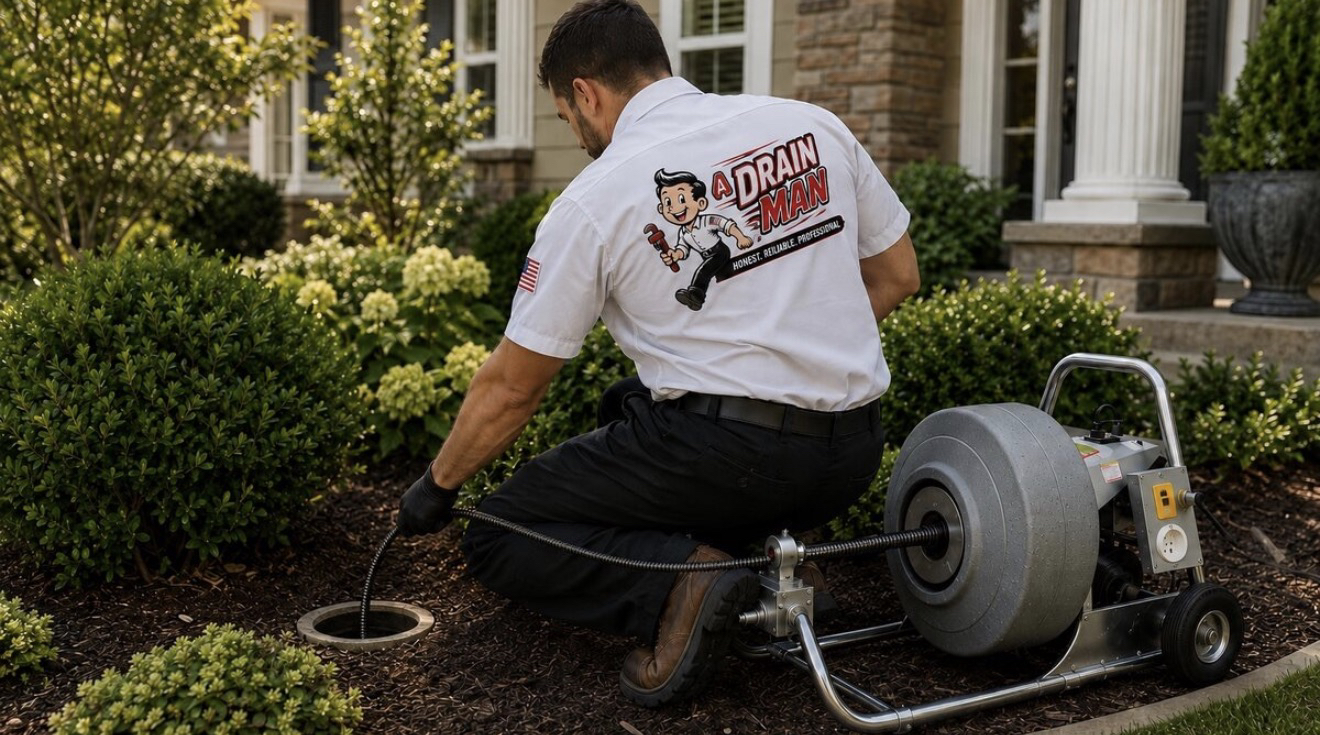
For businesses in Redlands, Riverside, and surrounding Southern California communities, A Drain Man provides 24/7 emergency plumbing help along with commercial drain cleaning, pipe repair, leak detection, and maintenance support. With three generations of experience, the focus is on identifying the real problem and explaining the next step clearly.
When plumbing trouble threatens your restaurant, protect your people first, stop the water or fixture use when possible, and bring in experienced help early. A fast, level-headed response can make the difference between a short disruption and a night your staff and customers will not soon forget.


Comments