
Landlord Plumbing Maintenance Plans That Work
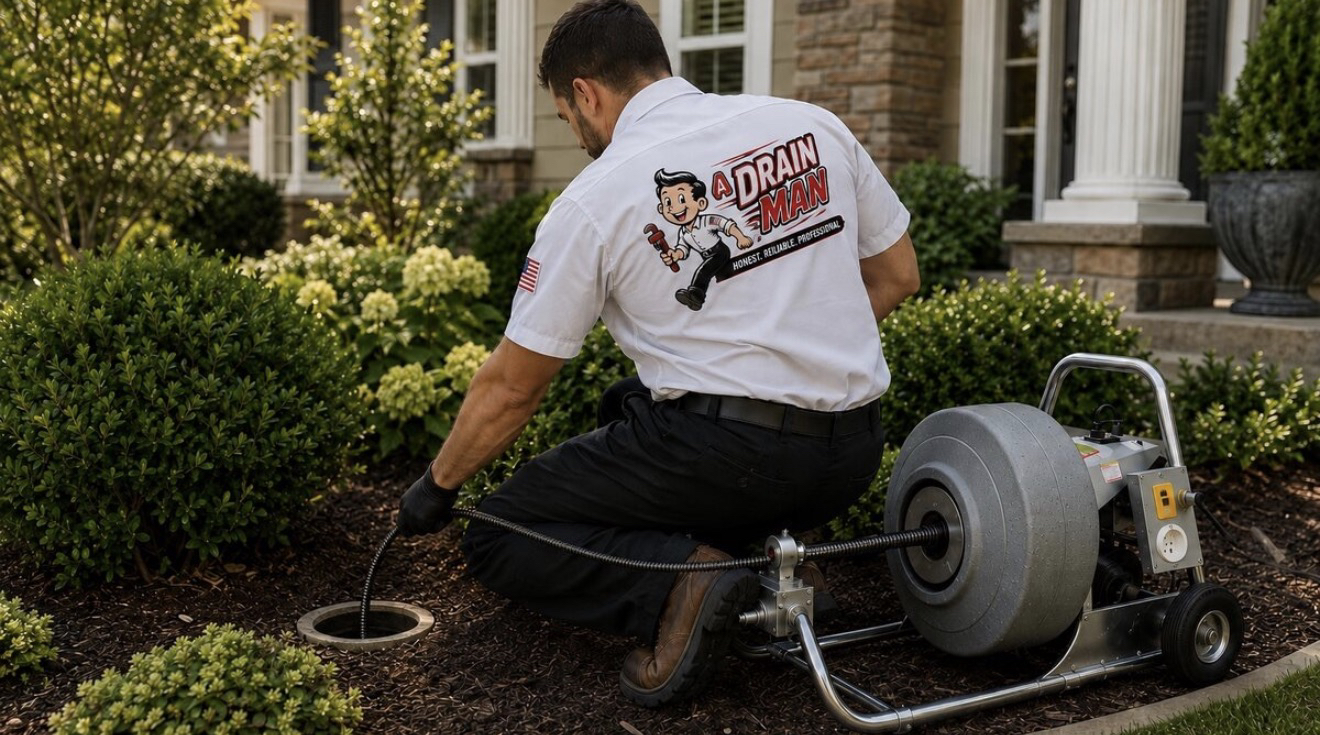
A small leak under a kitchen sink can become a damaged cabinet, a mold concern, an unhappy tenant, and a costly turnover repair before anyone realizes it is there. That is why landlord plumbing maintenance plans are not just another operating expense. For rental owners, they are a practical way to protect the property, avoid avoidable emergency calls, and give tenants confidence that problems will be handled promptly.
Plumbing is easy to ignore when it works. But rental properties put steady pressure on drains, toilets, water heaters, supply lines, and sewer connections. A planned maintenance routine helps catch early warning signs while the fix is still straightforward.
What Landlord Plumbing Maintenance Plans Should Cover
A good plan starts with the systems most likely to create water damage, service interruptions, or repeat tenant complaints. The exact scope depends on the property’s age, number of units, plumbing material, landscaping, and history of clogs or leaks. A newer condo with one tenant does not need the same level of attention as a 1940s duplex with mature trees near the sewer line.
At a minimum, scheduled service should include a visual check for active leaks and corrosion at exposed pipes, shutoff valves, supply hoses, faucets, toilets, and water heater connections. A plumber should also look for slow drainage, toilet movement, weak water pressure, signs of sewer backup, and water heater issues such as rust, unusual noises, or an aging pressure relief valve.
For many landlords, the most useful maintenance plan includes these four areas:
Drain and sewer evaluation, especially where there is a history of recurring backups or tree-root intrusion.
Leak detection and inspection of visible plumbing connections, fixtures, and valves.
Water heater maintenance based on the unit’s type, age, condition, and manufacturer recommendations.
A clear process for tenant-reported plumbing concerns, including what requires immediate response and what can be scheduled.
The goal is not to replace every older fixture before it fails. It is to make informed decisions before a minor defect turns into water damage or a late-night emergency.
Why Preventive Plumbing Makes Financial Sense
Emergency plumbing is sometimes unavoidable. A burst pipe, overflowing toilet, or sewer backup needs fast attention, period. The better question is how many emergencies could have been prevented by noticing a worn supply line, deteriorating wax ring, slow main drain, or failing water heater sooner.
The financial benefit of maintenance is usually found in the damage that never happens. Replacing a dripping shutoff valve is generally far less disruptive than repairing flooring, drywall, cabinets, and baseboards after a supply line lets go. Keeping drains flowing can also reduce calls that interrupt a tenant’s day and require an owner or manager to coordinate access on short notice.
There is a trade-off. Regular inspections and cleaning have a cost, and not every inspection will uncover an urgent repair. Still, a maintenance visit gives landlords a record of condition, a chance to budget for aging equipment, and a clearer picture of which properties need more attention. That is especially valuable for owners with several units or properties they do not visit often.
Set the Right Schedule for Each Rental
Annual plumbing inspections are a sensible baseline for many rental homes and smaller multifamily properties. Properties with older galvanized pipes, cast-iron drain lines, large trees, frequent tenant turnover, or a history of drain problems may benefit from inspections every six months.
Drain cleaning should not be treated as an automatic annual service for every building. If drains are working normally and the property has no known sewer-line concerns, a professional evaluation may be enough. On the other hand, recurring clogs, slow tubs, or previous root intrusion are strong reasons to inspect the line before a full backup occurs.
Water heaters deserve their own schedule. Sediment buildup, aging components, and neglected maintenance can shorten a unit’s life and affect performance. In hard-water areas, maintenance needs may be more frequent. A plumber can recommend whether flushing, anode-rod review, safety checks, or replacement planning makes sense for the specific equipment.
For older properties in Redlands, Riverside, and surrounding communities, it is wise to factor the plumbing’s history into the plan. Older homes can have a mix of pipe materials and past repairs behind walls or under floors. Historical-home upgrades may also call for a careful approach that preserves the property’s character while improving reliability where it counts.
Build Tenant Communication Into the Plan
A maintenance plan works better when tenants know what to watch for and feel comfortable reporting it early. Many tenants will report a full clog or a broken water heater right away. They may not report a toilet that runs occasionally, a cabinet that feels damp, or a drain that takes a little longer to empty. Those smaller clues often matter.
Give tenants simple guidance at move-in: report leaks, water stains, sewage odors, gurgling drains, low water pressure, running toilets, and changes in hot-water performance as soon as they notice them. Also explain what should never go down a kitchen drain or toilet. Grease, wipes, paper towels, hygiene products, and heavy food waste are common causes of preventable clogs.
The message should not sound like blame. Normal plumbing wear is the owner’s responsibility to address, and tenants should not hesitate to ask for help. Clear communication simply helps everyone separate an emergency from a routine service request and reduces the chance that a small issue sits unnoticed.
When scheduled maintenance requires entry, provide appropriate notice and coordinate a reasonable appointment window. Local rules and lease terms matter, so landlords should follow their legal obligations and property-management procedures.
Know the Warning Signs That Cannot Wait
A maintenance plan does not replace fast action when water is actively causing damage. Landlords and tenants should have a clear emergency contact process for after-hours problems. This is particularly important when a tenant does not know where the main shutoff is located.
Call for urgent plumbing help when there is active flooding, sewage coming up through a drain, a burst or visibly leaking pipe, no water to the unit, a water heater leak, or a toilet overflow that will not stop. If water is spreading, shutting off the nearest fixture valve or the building’s main water supply can limit damage while help is on the way.
Some issues are not immediate emergencies but should be scheduled promptly. These include repeated clogs, a slow main drain, unexplained increases in the water bill, moisture under a sink, water discoloration, or a water heater that is making popping sounds. Waiting for the next planned visit may not be the right call if a problem is getting worse.
Choose a Plumbing Partner Who Documents the Work
The best landlord plumbing maintenance plans are easy to manage. That means knowing what was inspected, what was found, what was repaired, and what should be budgeted for next. Ask for straightforward findings rather than vague recommendations. If a sewer line needs further evaluation, you should know why. If a water heater is near the end of its expected service life, you should understand the options before it fails.
A reliable local plumber should also be prepared to handle the work that follows an inspection, whether that means clearing a drain, repairing a pipe, replacing a fixture, servicing a water heater, or responding to an after-hours emergency. A Drain Man brings three generations of plumbing experience to rental property needs, with licensed, insured service and clear communication from the first call through the completed repair.
A rental property does not need perfect plumbing to be well maintained. It needs an owner who responds early, plans for aging equipment, and has dependable help ready when a real problem shows up.


Comments