Home Plumbing Maintenance Guide for Fewer Repairs
A small drip beneath a bathroom sink can look harmless for weeks, then turn into warped cabinet wood, mildew, and a repair that costs far more than it should. This home plumbing maintenance guide focuses on the practical checks that catch problems early, keep water moving where it belongs, and help your household avoid the panic of an after-hours plumbing emergency.
Most maintenance takes only a few minutes at a time. The key is knowing what to watch for and when a simple concern has crossed the line into a job for a licensed plumber.
Start With the Plumbing You Can See
Once a month, take a quick walk through your kitchen, bathrooms, laundry area, garage, and around the water heater. Look under every sink for moisture, staining, corrosion on shutoff valves, or cabinet materials that feel soft. A slow leak is not always an active drip. Sometimes the first clue is a musty smell, a water mark, or a white mineral buildup around a fitting.
Check toilet bases, too. If the floor feels soft, the toilet rocks when you sit down, or you see moisture around the base, do not ignore it. The issue may be a worn wax ring, but water beneath a toilet can also damage flooring and the subfloor before it becomes obvious.
Pay attention to your water bill. A noticeable increase without a change in household habits can point to a hidden leak, a toilet that runs intermittently, or an irrigation issue. Reading the water meter when all fixtures and appliances are off can provide another clue. If the meter continues to move, water may be escaping somewhere it should not.
Test Toilets Before They Waste Water
A toilet that keeps refilling between flushes is usually more than an annoyance. Often, the flapper is worn or the fill valve needs adjustment. You may hear a brief hiss every few minutes, even when no one has used the bathroom.
Add a few drops of food coloring to the tank and wait 15 to 20 minutes without flushing. If color appears in the bowl, the flapper is leaking. Replacing a flapper can be a reasonable homeowner fix when you have the right part, but recurring running water, weak flushing, or a toilet that backs up calls for a closer inspection. There may be a larger drain or venting issue involved.
Keep Drains Clear Without Damaging Pipes
Drains work best when the things that do not belong in them never get there. In the kitchen, keep grease, cooking oil, coffee grounds, eggshells, and fibrous food scraps out of the sink. Even with a garbage disposal, these materials can collect in the drain line and form stubborn clogs. Let grease cool in a container and throw it away instead of rinsing it down with hot water.
Bathroom sinks and showers collect hair, soap residue, toothpaste, and skin oils. A simple hair catcher in the shower is one of the cheapest ways to prevent a slow drain. Clean it regularly, and remove visible hair from sink stoppers before it has a chance to move deeper into the pipe.
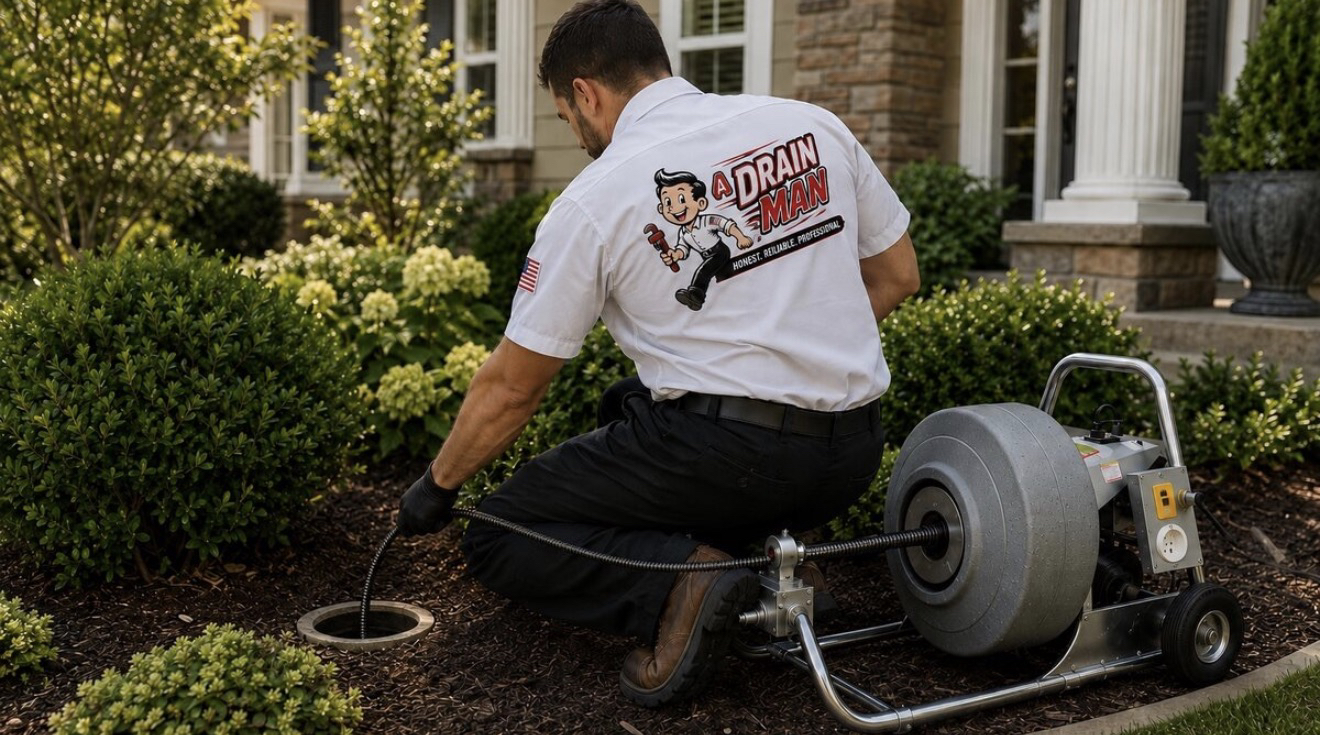
Skip the habit of pouring harsh chemical drain cleaners into a clog. They can generate heat, damage certain pipes and seals, and leave dangerous chemicals sitting in the line if they do not work. They also do not remove the root obstruction in many cases. A plunger or a hand-operated drain snake may help with a minor, reachable clog. If more than one fixture is draining slowly, water backs up in an unexpected place, or the same clog returns, professional drain cleaning is the smarter move.
A recurring kitchen or shower clog is not a sign that you need more chemicals. It is a sign that the buildup needs to be removed properly.
Give Your Water Heater Some Attention
Your water heater works every day, yet it is easy to forget until the shower turns cold. Check the area around the tank monthly for water, rust, or corrosion near the connections. Make sure the temperature setting is sensible. Around 120 degrees Fahrenheit is commonly recommended for comfort and safety, though household needs can vary.
If your water heater has a storage tank, sediment can build up at the bottom over time. This is especially relevant in areas with hard water. Sediment can reduce efficiency, contribute to popping or rumbling sounds, and shorten the equipment's working life. Periodic flushing may help, but it depends on the heater's age, condition, and the manufacturer's guidance.
Be careful with an older water heater that has never been maintained. Opening the drain valve on a neglected unit can sometimes reveal an existing issue or lead to a valve that will not reseal. If the tank is older, noisy, rusty, or showing signs of a leak, have a plumbing professional assess it before attempting maintenance. Water around the base of the tank is never a wait-and-see problem.
Do not overlook the temperature and pressure relief valve. This safety device should not be capped, blocked, or altered. Testing and servicing it should be handled carefully, particularly if you are not comfortable working around hot water and pressure.
Know Your Shutoff Valves Before You Need Them
Every responsible homeowner should know where the main water shutoff is located and how to operate it. It may be near the water meter, along an exterior wall, in a garage, or another accessible location. Find it now, not while water is spreading across the floor.
Also identify the local shutoff valves beneath sinks, behind toilets, and near the washing machine. Turn valves gently only if they are in good condition. Older valves can seize or begin leaking after being moved, so do not force one that feels stuck. Labeling the main shutoff is a helpful step for family members, tenants, or anyone who may need to act quickly.
If a supply line bursts, shut off the main water, turn off the water heater if appropriate for your system, and call for help. Move valuables away from the affected area, but do not take unnecessary risks around electrical outlets or standing water.
Protect Outdoor Plumbing and Appliances
Outdoor hose bibs, hoses, irrigation connections, and washing machine hoses deserve regular checks. Replace cracked hoses and look for drips at outdoor faucets. A leaking hose bib can waste water quietly for months, while a hidden leak at an irrigation line can saturate soil near the house and inflate your bill.
Inspect washing machine supply hoses for bulges, cracks, rust at the fittings, or signs of moisture. These hoses are under constant pressure and can cause extensive water damage if they fail. If your home has rubber hoses that are several years old, upgrading to braided stainless steel lines may be worth considering.
For homes with water softeners, filtration systems, or tankless water heaters, maintenance schedules are more specific. Filters need replacement, softeners need salt and occasional cleaning, and tankless units may need descaling. The right timing depends on water quality and household use, so follow the equipment instructions and ask a plumber if performance changes.
A Seasonal Home Plumbing Maintenance Guide
Seasonal checks keep plumbing maintenance manageable. In spring, inspect outdoor fixtures and irrigation after winter weather. Summer is a good time to watch water use closely, especially if landscaping irrigation is running more often. Before cooler weather arrives, check exposed pipes, hose bibs, and water heater performance.
During the holidays or any period when guests are staying over, be extra mindful of drains and toilets. More showers, laundry, and kitchen cleanup put added demand on a system that may already have aging components. Avoid treating the disposal like a trash can, and let everyone know what should not be flushed. Only toilet paper and human waste belong in the toilet, even if a product is labeled flushable.
If you will be away from home for an extended period, consider shutting off the main water supply or at least the valves serving appliances and toilets when appropriate. The best choice depends on whether someone will be checking the home and whether your plumbing system needs water running for other equipment.
Older Homes Need a More Careful Look
Historic and older homes throughout the Inland Empire often have plumbing systems with a mix of original and newer materials. That can mean galvanized steel, aging cast iron drain lines, copper repairs, or older valves that look fine on the surface but are nearing the end of their service life.
Do not assume a cosmetic remodel solved what is behind the walls. Slow drains, low water pressure, discolored water, and repeated pinhole leaks can all signal aging pipe concerns. Plumbing upgrades in older homes should be planned thoughtfully so modern reliability does not come at the expense of the home's character. A targeted camera inspection or pipe evaluation can help determine whether repair, replacement, or ongoing monitoring makes the most sense.
When to Call a Plumber Instead of Waiting
Some issues are clear warning signs: sewage smells, water backing up into a tub or shower, a sudden loss of water pressure, a ceiling stain, a burst pipe, or water heater leakage. These problems need prompt attention because damage can spread fast.
Other situations are less dramatic but still deserve a professional opinion. Call when you have a persistent clog, repeated toilet backups, unexplained high water bills, discolored hot water, banging pipes, or a fixture that leaks again after a simple repair. An honest inspection should identify the likely cause and explain the options without the runaround.
For homeowners who want a dependable local partner for routine maintenance, repairs, and emergency calls, A Drain Man brings three generations of plumbing experience to the job. A little prevention is worthwhile, but when something does not look right, acting early is usually the least expensive decision you can make.


Comments