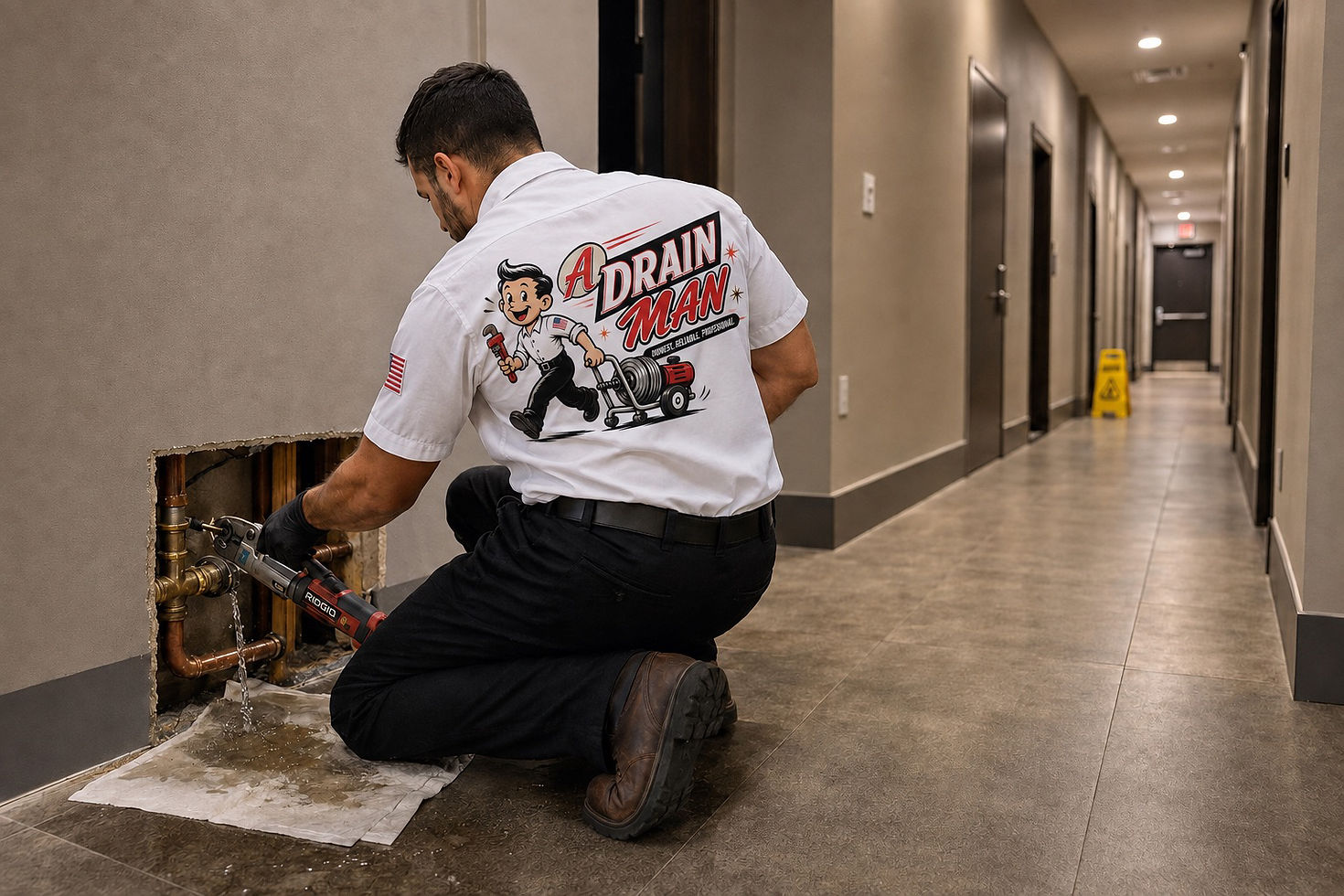
Understanding Business Plumbing Infrastructure: A Guide to Commercial Plumbing Systems
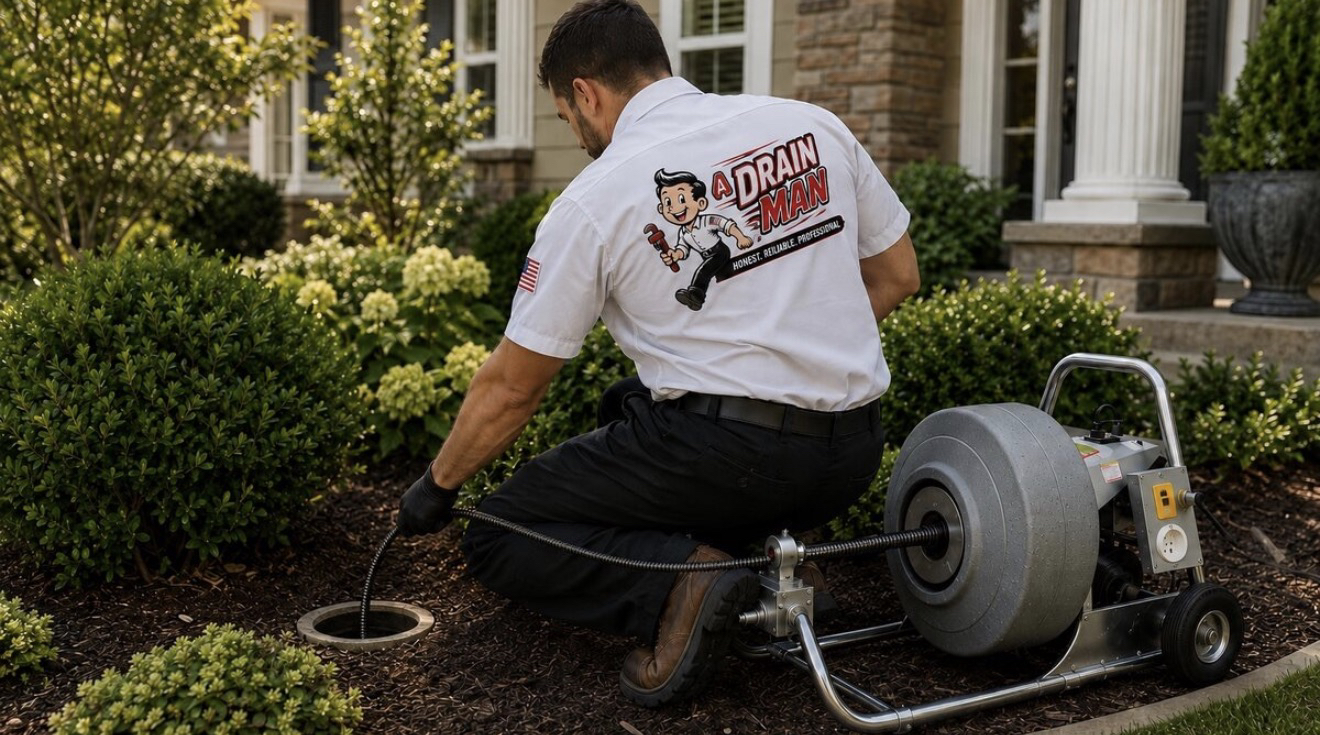
When it comes to running a business or managing a property, plumbing is one of those things you don’t want to overlook. It’s easy to take for granted until something goes wrong. That’s why understanding business plumbing infrastructure is so important. It helps you keep everything running smoothly and avoid costly disruptions. In this post, I’ll walk you through the essentials of commercial plumbing systems, explain common issues, and share practical tips to maintain a healthy plumbing setup.
What Is Business Plumbing Infrastructure?
Business plumbing infrastructure refers to the entire network of pipes, fixtures, and systems that deliver water and remove waste in commercial buildings. Unlike residential plumbing, which is usually simpler, business plumbing infrastructure is designed to handle higher volumes and more complex needs.
Think about a restaurant, office building, or shopping center. Each has unique plumbing demands. For example:
Restaurants need grease traps and high-capacity drains.
Office buildings require multiple restrooms and water fountains.
Retail stores might have sprinkler systems for fire safety.
This infrastructure includes water supply lines, drainage systems, vent pipes, backflow prevention devices, and sometimes specialized equipment like water heaters or filtration systems. It’s all connected to ensure water flows where it’s needed and waste is safely removed.

Why Business Plumbing Infrastructure Matters
Having a reliable business plumbing infrastructure is crucial for several reasons:
Health and Safety: Proper plumbing prevents contamination and ensures clean water supply.
Compliance: Businesses must meet local plumbing codes and regulations.
Efficiency: Well-maintained systems reduce water waste and energy costs.
Customer Experience: Functional restrooms and water access improve satisfaction.
Avoiding Downtime: Plumbing failures can disrupt operations and lead to lost revenue.
Understanding your plumbing setup helps you spot potential issues early and plan maintenance effectively. It also allows you to communicate clearly with plumbers and contractors when repairs or upgrades are needed.
What Are the Common Problems in Commercial Plumbing Systems?
Commercial plumbing systems face unique challenges due to their size and usage. Here are some common problems you might encounter:
1. Clogged Drains and Sewer Lines
High traffic and heavy use can cause blockages. Grease buildup, food waste, and debris often clog kitchen drains in restaurants. In office buildings, paper and other materials can cause backups.
2. Leaks and Pipe Corrosion
Older pipes may corrode or develop leaks, leading to water damage and increased bills. Metal pipes are especially prone to rust over time.
3. Water Pressure Issues
In large buildings, water pressure can fluctuate. Low pressure affects faucets and appliances, while high pressure can damage pipes.
4. Faulty Fixtures and Valves
Commercial fixtures like toilets, faucets, and water heaters wear out faster due to frequent use. Malfunctioning valves can cause leaks or prevent water flow.
5. Backflow and Cross-Contamination
Without proper backflow prevention, contaminated water can flow back into the clean water supply, posing serious health risks.
6. Inadequate Ventilation
Vent pipes allow sewer gases to escape and help drains work properly. Blocked or missing vents cause slow drainage and odors.
7. Grease Trap Failures
Restaurants must install grease traps to capture fats and oils. If not cleaned regularly, these traps can overflow and clog the system.
Knowing these common issues helps you stay proactive. Regular inspections and maintenance can prevent many of these problems before they escalate.
How to Maintain Your Business Plumbing Infrastructure
Maintaining your plumbing infrastructure doesn’t have to be complicated. Here are some practical steps you can take:
Schedule Regular Inspections
Hire a professional plumber to inspect your system at least once a year. They can identify early signs of wear, leaks, or blockages.
Clean Drains and Grease Traps
For businesses with kitchens, regular cleaning of drains and grease traps is essential. This prevents buildup and keeps wastewater flowing smoothly.
Monitor Water Pressure
Use pressure gauges to check water pressure regularly. If you notice fluctuations, have a plumber adjust or repair the system.
Fix Leaks Promptly
Even small leaks waste water and can cause damage. Address leaks as soon as you spot them to save money and avoid bigger problems.
Upgrade Old Fixtures
Replace outdated or worn fixtures with modern, water-efficient models. This improves performance and reduces water consumption.
Install Backflow Prevention Devices
Ensure your system has proper backflow prevention to protect your water supply from contamination.
Educate Staff and Tenants
If you manage a building, educate occupants
about what should and shouldn’t go down the drains. Avoid flushing inappropriate items like wipes or grease.

When to Call a Professional Plumber
Some plumbing tasks are best left to experts. Here are signs it’s time to call a professional:
Persistent clogs that don’t clear with basic methods.
Visible leaks or water stains on walls and ceilings.
Unusual noises from pipes or fixtures.
Water pressure that is consistently too high or too low.
Backflow alarms or contamination concerns.
Installation of new equipment or major renovations.
A licensed plumber has the tools and knowledge to diagnose and fix complex issues safely and efficiently. Regular professional service also extends the life of your plumbing infrastructure.
Planning for Future Plumbing Needs
As your business grows or changes, your plumbing needs may evolve. Consider these tips for future-proofing your system:
Assess Capacity: Make sure your plumbing can handle increased water use or new equipment.
Energy Efficiency: Invest in energy-saving water heaters and fixtures.
Sustainability: Explore water recycling or rainwater harvesting options.
Technology: Smart plumbing systems can monitor leaks and water usage remotely.
Compliance Updates: Stay informed about local code changes and upgrade accordingly.
Planning ahead saves money and avoids surprises down the road.
Building Trust with Your Plumbing Partner
Finding a reliable plumbing expert is key to maintaining your business plumbing infrastructure. Look for a company that offers:
Transparent pricing and clear communication.
Prompt response to emergencies.
Skilled technicians with commercial experience.
Preventive maintenance programs.
Positive customer reviews and references.
A trusted plumbing partner helps you protect your investment and keeps your operations running smoothly.
Understanding and maintaining your business plumbing infrastructure is essential for smooth operations and peace of mind. By staying informed, performing regular maintenance, and working with trusted professionals, you can avoid costly disruptions and ensure your plumbing system supports your business needs for years to come.
If you want to learn more about commercial plumbing systems, don’t hesitate to reach out to experts who can guide you every step of the way.


Comments